Carolyn Bessette Kennedy and the 90s Revival: A Cultural Inflection as the Series Peaks

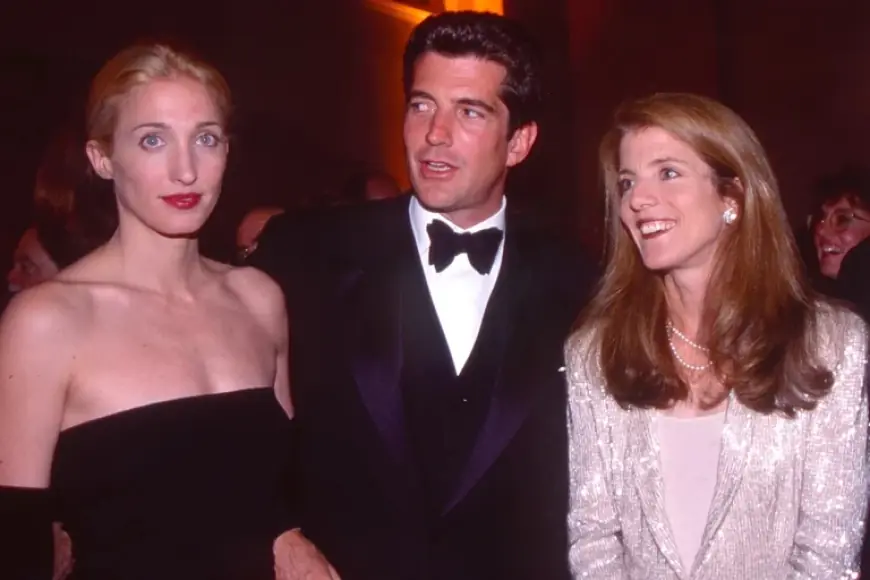
carolyn bessette kennedy is once again at the center of a cultural conversation as a stylized limited series about her life and marriage has driven a wave of nostalgia for early-1990s New York and attracted unusually large streaming audiences.
What If the Series Is a Moment of Collective Nostalgia?
The series, executive-produced by Ryan Murphy and centered on the relationship and tragic deaths of John F. Kennedy Jr. and Carolyn Bessette Kennedy, has been framed by critics and viewers as a kind of wistful escape from a fraught news cycle. Viewers have praised meticulous recreations of 1990s New York — from fashion and restaurants to soundtrack choices — and performers Paul Anthony Kelly as John F. Kennedy Jr. and Sarah Pidgeon as the woman at the story’s heart have drawn particular attention for their portrayals.
Audience engagement has been substantial: the limited series has amassed roughly 25 million hours of viewing for its first five episodes on streaming services, marking a record for the producing network’s limited drama slate. Viewing time has grown week to week, with the most recent episode drawing roughly half again as much viewing time as the premiere. The season is set to conclude on March 26. Social engagement has accompanied those figures, with millions of posts under the show’s dominant hashtag amplifying conversation around costume choices, production design, and specific musical moments.
What Happens When Carolyn Bessette Kennedy Is Reimagined on Screen?
The on-screen depiction has reopened long-running personal narratives. A childhood friend of John F. Kennedy Jr. has challenged portrayals of tension between Carolyn and his sister, saying there was no apparent friction at the intimate wedding held on a remote island off the coast of Georgia. That wedding, in September 1996, featured a compact guest list said to be on their best behavior; Caroline served as matron of honor while the bride’s mother and sisters performed bridesmaid duties. The bride’s close friends and collaborators, including the designer who created her wedding dress, were present on the day.
At the same time, certain scenes in the drama depict moments of strain: a chilly exchange at a birthday dinner, disagreements over wedding planning, and a bride trying to balance making a family member feel important with preserving a small, private ceremony. Those dramatized confrontations have become focal points for discussion about the ethics of fictionalizing private lives and the appetite for intimate, stylized historical reconstructions.
- Production design and wardrobe: costumes sourced through collectors and vintage markets have been widely discussed.
- Soundtrack and mood: period hits have been used to elicit emotion and underscore nostalgia.
- Performance and casting: leads have been singled out for re-creating the era’s public figures.
- Audience metrics: roughly 25 million hours viewed for the first five episodes and strong week-to-week growth in viewing time.
- Public reaction: a surge of social posts and debate around private family moments as dramatized scenes.
What Comes Next for the Story and Those It Touches?
The current moment positions the series as both a ratings success and a conversation starter. It has amplified interest in small cultural details — smoking in offices, capri pants and loafers, specific restaurants — while prompting pushback from people who knew the real individuals about how scenes of private tension are portrayed. The dramatization has also renewed attention on personal details mentioned in public recollections, including family roles at the wedding and the presence of close friends and designers in the bride’s inner circle.
For readers and viewers, the practical takeaway is twofold: expect continued debate as the season concludes on March 26, and anticipate that the show’s reach will keep resurfacing archival memories and personal recollections tied to the couple. The depiction of carolyn bessette kennedy on screen will likely remain a touchstone in conversations about nostalgia, historical dramatization, and the boundaries between public fascination and private memory.