Rosanna Arquette and the Rift: Quentin Tarantino Says Her Criticism Shows ‘A Decided Lack of Class’

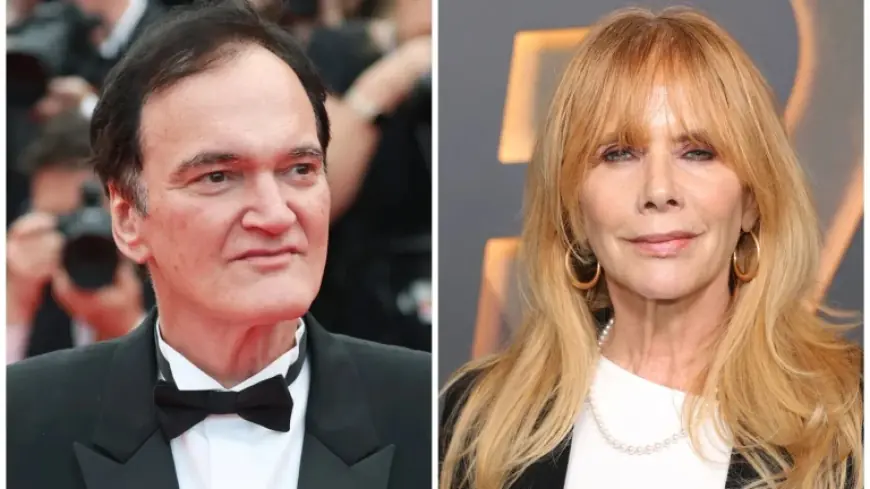
On a day when headlines tightened around a three-sentence interview, rosanna arquette pushed a familiar fault line into the open: the actor said she could not stand Quentin Tarantino being given a hall pass for his repeated use of the N-word in his films. The remark landed as a public rebuke of a director whose work has long prompted heated debate.
What did Rosanna Arquette say about the N-word in Pulp Fiction?
Rosanna Arquette, who had a small role in Pulp Fiction as Jody, described her reaction to Tarantino’s recurrent use of the racial slur in a recent interview. She said, “Personally I am over the use of the N-word — I hate it, ” and added, “I cannot stand that he [Tarantino] has been given a hall pass. It’s not art, it’s just racist and creepy. ” Arquette’s comments framed the slur not as a provocative artistic choice but as an ongoing wound for some viewers and performers.
How did Quentin Tarantino respond?
Quentin Tarantino, the film director, replied with a public statement that sharply criticized Arquette’s remarks and questioned her motives. He wrote that he hoped the publicity she was getting “was worth disrespecting me and a film I remember quite clearly you were thrilled to be a part of?” Tarantino accused her of showing “a decided lack of class, no less honor, ” and suggested that after he gave her a job and she accepted payment, trashing the film for what he suspected were cynical reasons was especially objectionable. He also invoked the idea of an “esprit de corps between artistic colleagues, ” implying that her comments violated that expectation.
What wider reactions have surfaced and what is at stake?
The exchange reopened long-running divisions over Tarantino’s language in his screenplays. Samuel L. Jackson, a frequent Tarantino collaborator and star of Pulp Fiction, defended the director, stating, “It’s not offensive in the context of this film. ” Other high-profile figures have taken opposing positions in the past: Spike Lee, a director, criticized Tarantino years ago, saying he was “infatuated with that word” and questioning Tarantino’s intentions. Jamie Foxx is among those who have defended Tarantino’s writing. The debate is not only about a single line or performance but about how repetitive use of the slur functions across multiple films; the N-word is used in Pulp Fiction roughly 20 times and is cited nearly 110 times in Django Unchained.
The dispute also recalls other public clashes involving Tarantino. He once called an actor’s performance “weak sauce, ” a remark that prompted objections from peers such as Toni Collette. The present exchange follows that pattern: an on-screen community of actors and directors who sometimes defend one another’s artistic choices and sometimes sharply divide over them. Arquette herself is part of that community—her role as Jody, the wife of a character named Lance, places her in direct scenes with John Travolta’s Vincent Vega, a connection Tarantino highlights in his response.
What is being done so far is largely reactive: Arquette has voiced a moral objection; Tarantino has issued a rebuttal; colleagues have taken positions that align with longstanding positions on his use of racial language. The conversation continues to play out among artists and audiences rather than through institutional remedies or formal industry interventions.
Back where the exchange began—the terse interview comment that robbed an old set of its presumed safety—rosanna arquette’s words have added new weight to a debate that will remain unresolved until the artistic community, and audiences, decide whether repetition of painful language can be defended as context or must be restrained as harm. The question now echoing through statements and defenses is simple and unresolved: when does provocation cross into persistent offense?