Carolyn Bessette: Love Story Ignites a Revival in Quiet Luxury

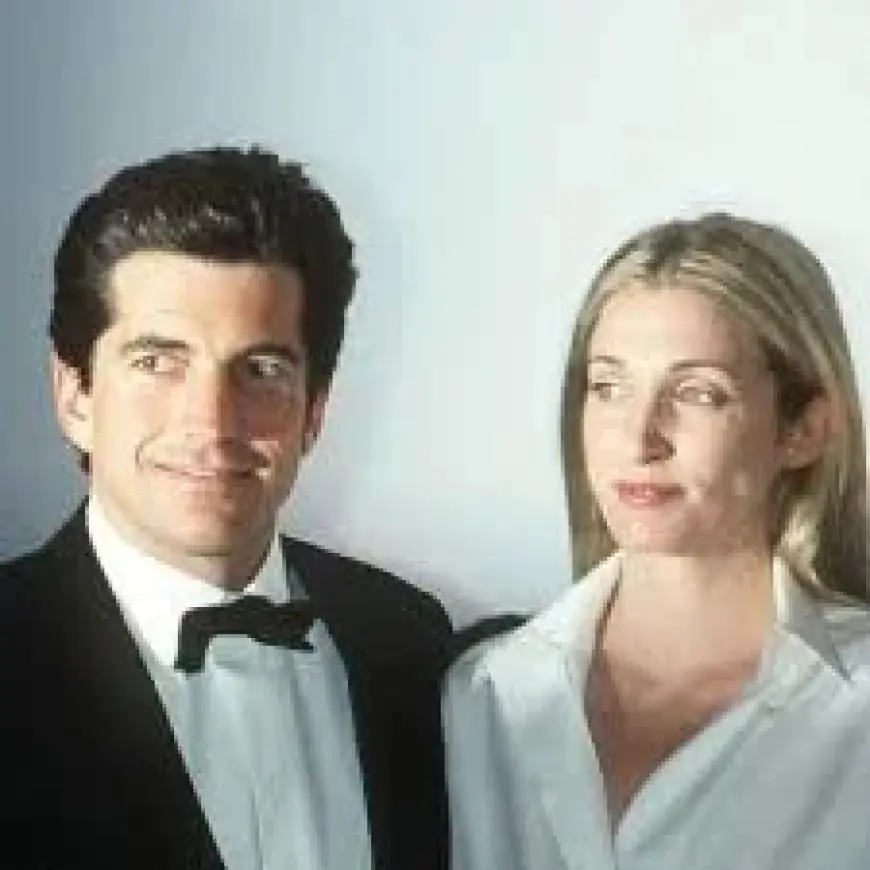
carolyn bessette has re-emerged as a touchstone for minimalist dressing after a scripted retelling of her life amplified interest in her wardrobe, makeup and hair choices. The series has become the most-watched limited series ever on streaming, with more than 25m hours viewed across the first five episodes, the network announced, and the cultural ripple is already visible in influencer reels, brand activations and the auction house catalogue.
What Happens When Carolyn Bessette Becomes a Template?
Influencers are attempting to recreate Bessette’s looks and makeup routines, and brands are explicitly invoking her name to promote products. A hair care brand shared a highlighting technique it called “foiled cashmere, inspired by Carolyn Bessette-Kennedy. ” The phenomenon captures a paradox: a figure described as intensely private is being translated into repeatable styling cues for mass audiences.
Sunita Kumar Nair, creative director and author of CBK: Carolyn Bessette Kennedy: A Life in Fashion, frames fashion as Bessette’s principal mode of communication. Nair argues that Bessette used clothing to speak for her in public and that this orientation — a preference for clothing over publicity — helps explain why her aesthetic now lends itself to imitation even as she historically avoided the spotlight.
What If the Quiet Luxury Revival Deepens?
Bessette’s style is commonly described as 1990s minimalism, with a focus on designers including Calvin Klein, Jil Sander, Yohji Yamamoto and Prada. The look has been labelled “quiet luxury, ” a sensibility tied in part to the Calvin Klein emphasis on fit and materials rather than embellishment. Dr Colleen Hill, senior curator of costume at the Museum at FIT, places that approach as a deliberate shift away from the opulence and display of earlier decades.
Those interpretations help explain why the current moment resonates: viewers and shoppers drawn to pared-back silhouettes see in Bessette an antithesis to hyper-visible influencer culture. Nair characterises that contrast starkly, calling Bessette “probably the antithesis of what Gen Z has been growing up with” and suggesting that restraint and privacy can generate renewed interest and mystery.
What Happens When Collectors Drive Prices?
The material consequences of renewed attention are already measurable in the marketplace. A Prada camel coat worn by Bessette sold for $192, 000 at auction. The Fashion Auctioneer, which hosted that sale, grossed $408, 750 through the auction, which included four items of Bessette’s wardrobe. Those figures demonstrate a collector appetite that translates cultural cachet into concrete valuations.
That eagerness to access Bessette’s essence takes multiple forms: digital re-creation by influencers, product tie-ins from brands, curatorial commentary from fashion institutions, and high-value sales at auction. Each channel refracts a different aspect of her legacy — the public-facing silhouette, the archival garment, the interpretive narrative — and together they are shaping how a private figure is received in the present.
The key takeaway is that the renewed fascination is not purely nostalgic. It reflects how a contemporary audience is negotiating visibility and taste: adopting a pared-back aesthetic, elevating craftsmanship and fit, and converting screen-driven attention into commerce. For those watching these shifts — stylists, designers, collectors and brand strategists — the moment poses both opportunity and risk. If the trend remains driven by careful curation and attention to material detail, it may consolidate a broader revival of quiet luxury; if it becomes a surface-level template, the nuance that once defined the style could be flattened into a set of easily replicated tropes.