












Christian Parker Set to Lead Cowboys Defense: A Fast-Rising Secondary Architect Takes Over in Dallas

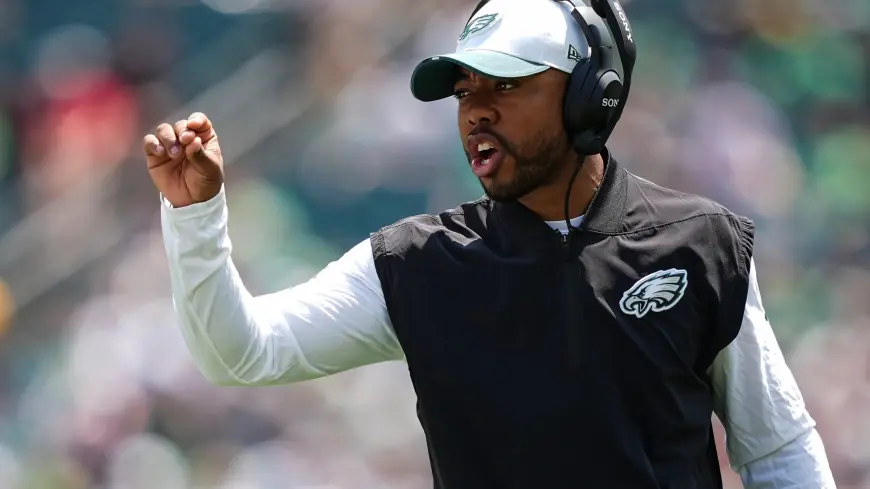
The Dallas Cowboys are moving to finalize Christian Parker as their next defensive coordinator, a swift decision that ends an unusually wide-ranging search and signals a clear philosophical shift. Parker, 34, has spent the past two seasons coaching the secondary and coordinating the passing-game plan for Philadelphia’s defense. Now he’s positioned to run an entire unit in Dallas for the first time—an upside bet on teaching, adaptability, and modern coverage structure rather than a familiar veteran play-caller.
If completed as expected, the hire places Christian Parker in one of the league’s most scrutinized coordinator roles: maintaining a high ceiling while fixing the kind of situational breakdowns that have haunted Dallas in big moments.
Why the Christian Parker hire matters for Dallas
Dallas’ defense has often been defined by extremes—dominant when the pass rush arrives on schedule, vulnerable when opponents force the game into rhythm throws, quick motions, and matchup stress. Parker’s background is built for that exact problem set. His recent work has focused on the details that prevent explosive plays: communication, leverage, eye discipline, route recognition, and disguising coverages without busting responsibilities.
This is the profile of a coordinator designed for today’s NFL reality:
-
Quarterbacks get the ball out faster than ever.
-
Offenses use motion and condensed formations to force coverage confusion.
-
Explosive plays—more than long drives—swing outcomes and postseason runs.
Dallas is effectively saying: win the back end, and the front will benefit.
What Christian Parker is known for: coverage-first with modern answers
Parker’s calling card is secondary development paired with a game-plan mindset. In Philadelphia, he operated inside a scheme ecosystem that emphasizes split-safety flexibility, late rotations, and forcing offenses to earn yards in smaller chunks. That approach doesn’t mean passive defense—rather, it aims to create hesitation and bait throws into tight windows while keeping a lid on the deep ball.
If Parker brings the same core principles to Dallas, expect these tendencies to surface quickly:
-
More disguise, fewer tells pre-snap
Dallas could show one shell and rotate late more often to disrupt quarterback reads. -
Expanded two-high looks with situational aggression
The defense can still pressure, but with more emphasis on “pressure without panic”—winning with four when possible and blitzing selectively. -
Cleaner rules versus motion, stacks, and bunch sets
Modern offenses hunt confusion; the best antidote is simple, repeatable communication and practiced adjustments. -
Technique-driven corner and safety play
Less freelancing, more consistent leverage and spacing—especially in intermediate zones where third-down conversions live.
Career path: a rapid climb to the coordinator chair
Christian Parker didn’t arrive here through one long tenure in a single system. His route has been a climb through multiple layers of responsibility: early college coaching roles, analytical work that sharpens opponent study and planning, then the NFL pipeline where quality control and position coaching can accelerate fast risers.
That varied background matters because defensive coordinators today are less about one signature blitz and more about managing an entire weekly process:
-
installing a plan that matches the opponent’s route concepts,
-
aligning coverage calls with the pass-rush menu,
-
developing young defensive backs so the scheme holds up over a long season,
-
adjusting on Sundays without creating confusion.
Parker’s recent trajectory suggests teams view him as a coach who can translate the film room into clean execution.
What changes on the field could look like in 2026
Dallas fans should expect a defense that still wants to be disruptive—but with fewer coverage breakdowns that turn into sudden 40-yard swings. The most noticeable differences may show up in the “hidden” areas:
-
Fewer free releases and easier completions on early downs
Tightening the first 10 yards forces longer third downs and invites more creative pressures later. -
More consistent safety help where matchups demand it
Rather than living on single coverage, the structure can tilt resources based on opponent strengths. -
A clearer third-down identity
The goal is to make quarterbacks hold the ball an extra beat—either by disguise, pattern-matching, or simulated pressure—so the rush has time to finish.
Roster and staff ripple effects: what to watch next
A first-time coordinator hire often becomes two hires in one: the coordinator plus the staff he builds around him. If Parker’s expertise leans toward the secondary and passing-game planning, Dallas may prioritize support on the front-seven side—run fits, pressure design, and linebacker usage.
Key indicators to monitor as the move becomes official:
-
Whether Parker calls plays from Week 1 or delegates early while settling in
-
Staff additions that signal how Dallas will structure run defense and pressure packages
-
Personnel emphasis in the offseason: versatile safeties, coverage-capable linebackers, and depth at corner
The big bet: youth, upside, and a modern defensive identity
There’s no hiding the risk: defensive coordinator is a different job than position coach, no matter how respected the résumé. But the upside is equally clear. Dallas is targeting a coordinator profile that fits the current league—coverage structure, adaptability, and player development—while aiming to turn talent into consistency.
If Christian Parker delivers on those strengths, the Cowboys’ defense could become less volatile and more postseason-proof: fewer breakdowns, tighter third downs, and a style that travels when games tighten and margins shrink.