Tasmania Expands Granny Flats to Boost Housing Supply

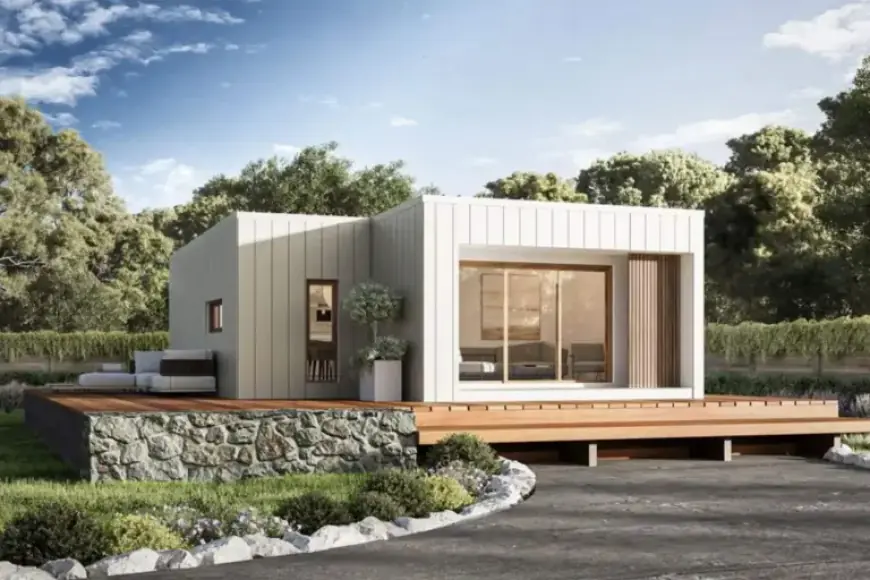
In an effort to address the housing crisis, Tasmania is expanding the allowable size for granny flats, formally known as secondary dwellings, from 60 square meters to 90 square meters. This initiative aims to increase the supply of smaller homes in the state, according to Housing and Planning Minister Kerry Vincent.
Tasmania’s Housing Supply Challenges
Vincent highlighted the significant demand for one- and two-bedroom homes across Tasmania. The existing 60-square-meter limit generally restricts designs to one-bedroom layouts. By allowing additional space, the new changes will facilitate two-bedroom options, better meeting the needs of renters and homeowners alike.
Details of the Planned Changes
- Increased Size: Granny flats can now measure up to 90 square meters.
- Secondary Dwellings: Must be constructed on the same property as an existing residence.
- Shared Utilities: These units will share access, parking, and utility connections with the main house.
Vincent noted that enhancing the medium-density housing stock is crucial. “Having a small, self-contained dwelling located on existing blocks represents low-hanging fruit as we look to increase our medium-density housing stock,” he stated.
Current Housing Situation in Tasmania
Tasmania is grappling with its tightest rental market, characterized by a vacancy rate of only 0.72% in Hobart as of January. Since 2020, rents have surged by 43%, and over 5,300 individuals are currently on the social housing waiting list.
Government Initiatives to Boost Housing
Alongside the expansion of granny flats, the Tasmanian government is implementing additional strategies:
- A 5% levy on short-stay accommodation platforms will commence on July 1.
- The first home owner grant has been tripled to $30,000.
- Stamp duty has been removed for homes valued up to $750,000.
Vincent emphasized the importance of a responsive planning system to enhance housing outcomes. “By making considered tweaks like this, we can continue to improve outcomes,” he affirmed.
With these new measures, Tasmania aims to provide more housing options and better meet the needs of its residents in an increasingly challenging market.