“Brand Lacks Business Viability, Experts Say”

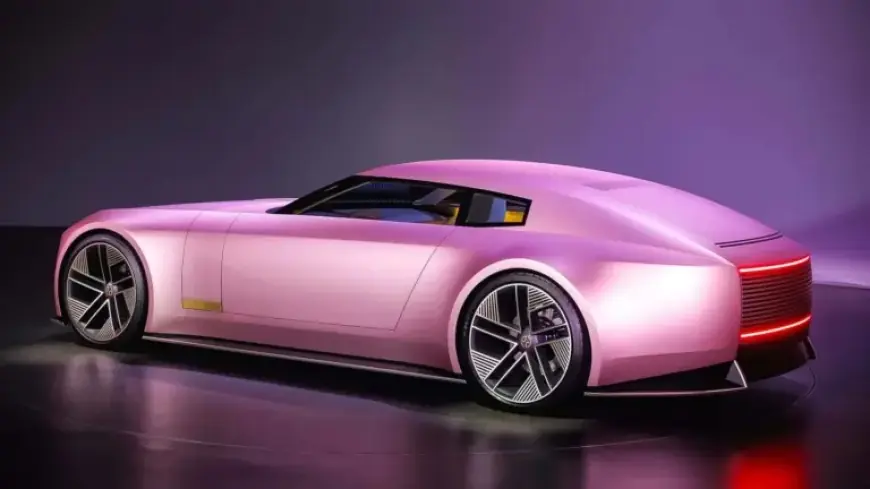
Jaguar is undergoing significant changes as it transitions to an all-electric lineup. This marks the brand’s commitment to move away from traditional combustion engines, aiming to position itself as a premier luxury automaker. However, concerns about the brand’s business viability have emerged among dealers and industry experts.
Shifting to an Electric Future
The first production model in Jaguar’s electric vehicle (EV) era is expected to debut this year. Unlike previous strategies, it appears that Jaguar will not sell cars outright, but will instead implement a leasing model. This move is part of a larger effort to elevate Jaguar’s market position and compete more closely with luxury brands like Bentley.
Dealer Perspectives on Brand Viability
- Some Jaguar dealers express uncertainty about the brand’s future direction.
- An anonymous sales representative highlighted doubts about the business case for Jaguar, stating that clarity on future strategies is crucial.
- Andreas Everschneider, CEO of the Association of German Jaguar and Land Rover Dealers, acknowledges the opportunity in the new direction but questions the market size and potential customer base.
Salvatore Colangelo, managing director of Glinicke British Cars, shares excitement about upcoming models while also questioning who the future Jaguar customers might be.
Leasing Strategy and Market Control
Reports suggest that Jaguar’s focus on a lease-only strategy is aimed at maintaining control over the used car market. The company believes that allowing numerous vehicles to change hands could diminish residual values, undermining its luxury ambitions. Everschneider has emphasized the importance of not overproducing vehicles, a pitfall faced by other luxury brands.
Production Goals and Sales Comparisons
Jaguar’s new production goal is set at just 10,000 units annually—a stark contrast to the 181,500 vehicles sold in 2018. In comparison, luxury rivals like BMW sold over 2 million cars last year, while Mercedes and Audi also had substantial sales figures.
In recent years, Jaguar’s sales have fluctuated, with 15,174 cars sold in 2022. As of 2023, the number dropped to 13,560, and in 2024, it further declined to 10,643 vehicles. This decline illustrates the challenges the brand faces as it attempts to redefine itself.
Preparing for Launch
Jaguar dealers are beginning training to adapt to the new business model, with order books expected to open around March or April. The upcoming model, referred to as Type 00, will only be available as an electric vehicle with a starting price of at least $130,000.
Challenges Ahead
The shift toward a low-volume, high-margin strategy raises questions about profitability, especially in the competitive EV market known for slim margins. Jaguar acknowledges that it may lose a significant portion of its existing clientele, with 85 percent of current buyers unlikely to transition to EVs. However, the brand hopes that unique design and a bespoke electric platform will attract affluent customers.
Jaguar’s approach includes plans for future SUV models to complement its offerings and compete more effectively in the luxury market.