
























Liberal MPs Discuss Concerns Over Carney’s Changing Iran Stance

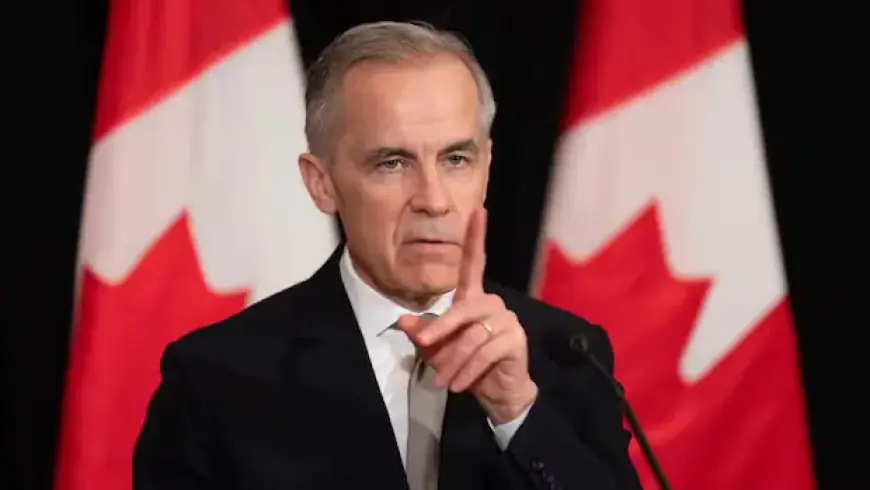
Concerns regarding Prime Minister Mark Carney’s stance on the escalating conflict in the Middle East have prompted a briefing for Liberal MPs by Foreign Affairs Minister Anita Anand. Scheduled for Friday morning, the session aims to clarify Canada’s position on the war, which has begun to affect international relations, particularly with Iran.
Liberal MPs Address Concerns Over Carney’s Statement on Iran
The briefing is particularly timely as it follows a previous session where parliamentarians were updated on the situation in the region by Global Affairs Canada (GAC). Sources indicate that this will provide an opportunity for MPs to gain insights into Iran’s current state and the services available through GAC for Canadians abroad.
Government Position on Iran
In a statement released at the start of the conflict, both Carney and Anand affirmed Canada’s support for U.S. actions aimed at preventing Iran from acquiring nuclear weapons and addressing threats to international peace. The statement labeled Iran as a major source of instability in the Middle East, highlighting serious human rights concerns.
- Key phrases from the statement included:
- “Canada supports the United States acting to prevent Iran from obtaining a nuclear weapon.”
- “The Islamic Republic of Iran is the principal source of instability” in the region.
Despite the assertive language, some MPs questioned the omission of references to international law obligations, leading to significant unease within the Liberal Party. Will Greaves, the MP for Victoria, publicly stated that Canada must not endorse any unlawful acts, emphasizing the importance of sovereignty and adherence to international norms.
Mixed Responses and Criticism
As the situation evolved, Carney’s remarks reflected a shift. While initially supportive of military actions, he later clarified that Canada’s backing was not unconditional. During international engagements, he reiterated the necessity of all parties—including the U.S. and Israel—complying with international law.
This apparent contradiction in messaging has drawn fire from opposition figures. Conservative MP Michael Chong criticized Carney’s statements as “utterly incoherent,” calling for a parliamentary debate before any potential military engagement. The New Democratic Party (NDP) is also considering an emergency debate on the issue.
Greaves acknowledged that discussions within the party might have influenced changes in Carney’s approach, noting a collaborative effort towards establishing a clear and principled Canadian foreign policy response. As Carney concludes his international trip in Japan, the outcome of the Liberal caucus meeting remains to be seen.