























Bulgaria Faces Snap Election Following Government Ouster Amid Protests

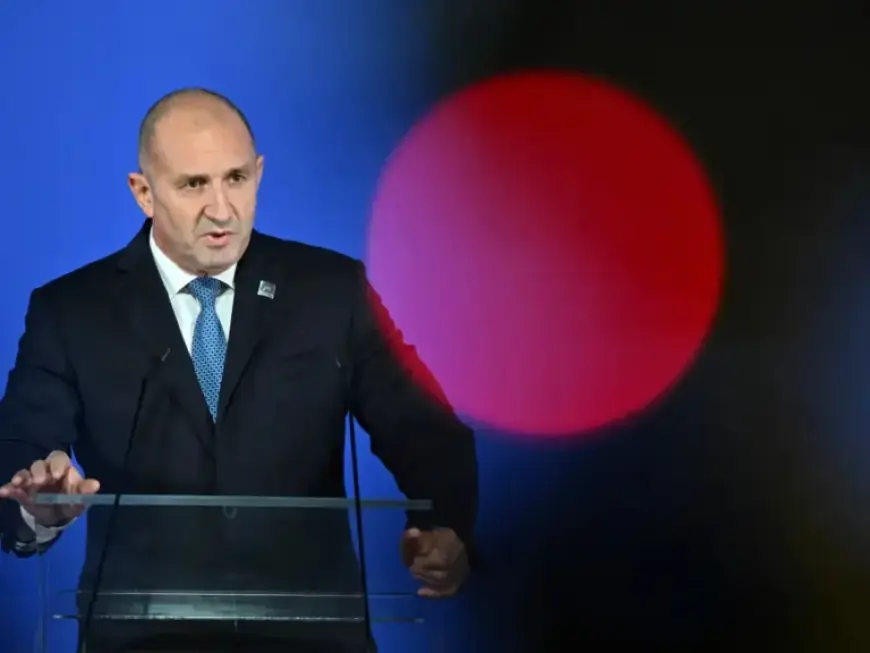
Bulgaria is set to face snap elections following political turmoil and widespread protests. President Rumen Radev has announced that early elections will take place after key political parties declined to form a new government following a recent cabinet resignation.
Background of the Political Crisis
The political crisis escalated when Prime Minister Rosen Zhelyazkov resigned on December 11, shortly before a no-confidence vote in parliament. His resignation came after public outcry against systemic state corruption and a controversial budget proposal for 2026.
Multiple parties, including the Alliance for Rights and Freedoms, have now refused to accept President Radev’s invitation to establish a new coalition government. This refusal follows two other parties, center-right GERB-SDS and reformist PP-DB, rejecting the opportunity to lead.
Constitutional Requirements for Elections
According to the Bulgarian constitution, a minimum of three attempts is required to form a government before snap elections can be called. With the failure to establish a new cabinet, Radev will appoint a caretaker government and schedule the upcoming elections.
Impact of Political Instability
Bulgaria is experiencing unprecedented political instability, having conducted seven national elections in the last four years. The most recent took place in October 2024. Political authorities are concerned that ongoing instability hampers economic growth and infrastructure development.
- Population: Approximately 6.4 million
- EU Membership: Bulgaria is the poorest member of the European Union
- Euro Adoption: Officially adopted the euro on January 1, becoming the 21st country to join the currency
Public Sentiment
Street protests have become a common response to the perceived failures of consecutive governments. Citizens express frustration over corruption and the inability of political leaders to address critical issues. The need for political stability is essential for Bulgaria to attract foreign investment and expedite the absorption of EU funds into its struggling infrastructure.
Bulgaria’s political landscape continues to evolve in a climate filled with discontent. The upcoming elections could play a crucial role in reshaping governance and restoring public trust in political institutions.