Drew Petzing hired by Detroit as offensive coordinator: what it means for the Lions, what changes for Arizona, and what comes next

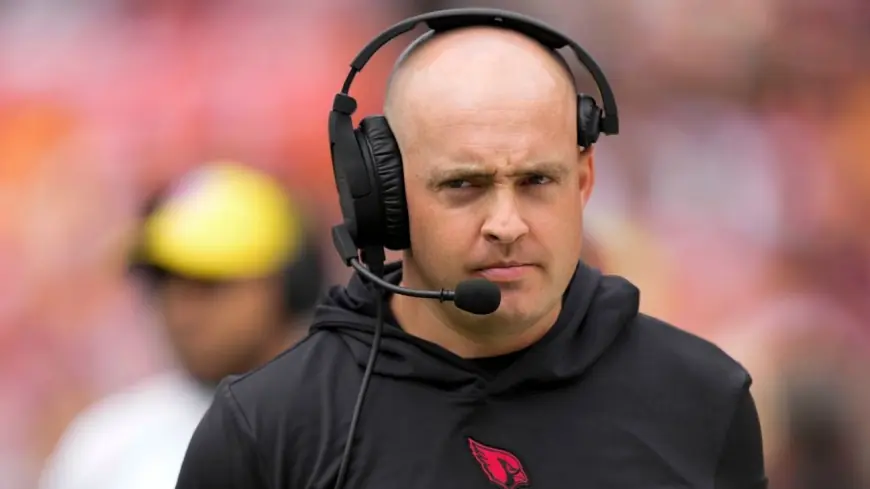
Drew Petzing is moving to Detroit to become the Lions’ offensive coordinator, a key offseason staff change that reshapes two franchises at once. Detroit fills a high-leverage play-calling role after moving on from its previous coordinator, while Arizona now has to replace the architect of its offense as it heads into a pivotal reset. The immediate questions are about scheme fit, quarterback development, and how quickly each team can stabilize its direction before the 2026 season.
The biggest takeaway: Detroit is betting Petzing’s play-calling and structure can lift an offense that underachieved in 2025, and Arizona is forced into another offensive transition at a moment when continuity would have helped.
Why Drew Petzing to the Lions matters right now
Detroit’s coordinator job became one of the most important openings of the coaching cycle because it directly touches weekly game-planning, red-zone decisions, and quarterback progression. Petzing arrives with recent NFL play-calling experience and a track record of building a run-game identity, even when the overall results were uneven.
For the Lions, this isn’t a cosmetic move. It is a choice about how the offense will look on third down, how aggressively it attacks early downs, and whether it leans into play-action and efficient rushing to keep the passing game cleaner.
What Detroit is getting in Drew Petzing’s offense
Petzing’s recent work has carried a clear theme: structure first, then explosives. When it has worked, it has been built on:
-
A defined run-game plan that sets up manageable down-and-distance
-
Play-action and layered concepts designed to simplify quarterback reads
-
An emphasis on staying on schedule to keep the full playbook open
The upside for Detroit is straightforward: a system that can travel, a run-game backbone that can stabilize weeks where the passing game is off, and a play-caller who has lived through in-game adjustments and the weekly grind of installing an offense.
The risk is also straightforward: if the offense becomes too rigid or predictable, defenses will sit on concepts and force low-percentage throws. In a league where coordinator tendencies are studied relentlessly, Detroit’s next step will be building counters and changeups that keep early-down efficiency high.
Who is affected and what happens next: Drew Petzing
This move touches three groups immediately: Detroit’s offensive personnel, Arizona’s staff search, and the quarterbacks who now have different voices shaping their weekly plan.
Here’s what changes now, in practical terms:
-
Detroit’s offense gets a new weekly identity. Early-down play selection, tempo decisions, and red-zone sequencing can look dramatically different under a new coordinator, even with the same players.
-
Arizona must replace an OC while also defining the next phase of its program. A coordinator search often signals broader philosophical choices: run-first vs. pass-heavy, aggressive fourth-down approach vs. conservative, heavy motion vs. static spacing.
-
Player development plans reset. Receivers, tight ends, and running backs can see role changes depending on how a coordinator prioritizes personnel groupings and route concepts.
The immediate next step in Detroit is staff completion and installation planning. The immediate next step in Arizona is narrowing candidates and committing to an offensive direction that matches its roster.
A quick timeline of what to watch
-
January 19, 2026: Petzing’s move to Detroit becomes official news across the league cycle.
-
Late January to February: Detroit finalizes remaining offensive staff roles and begins terminology and concept mapping for the roster.
-
Spring program and OTAs: The first visible clues appear, including base personnel packages, motion usage, and early-down tendencies.
-
Training camp: Competition battles reveal which positions are emphasized (for example, a heavier tight end package vs. more spread looks).
-
Early 2026 regular season: Third-down plan and red-zone efficiency become the fastest indicators of coordinator impact.
How Petzing could fit Detroit’s personnel
Coordinator success is usually about matching strengths to structure. If Detroit’s roster supports a strong rushing foundation, Petzing’s preference for building from the run can create cleaner play-action windows and reduce pressure on the quarterback to win every down in pure dropback situations.
What to monitor early:
-
Whether Detroit becomes more efficient on first and second down
-
How often the Lions use play-action and motion to manufacture matchups
-
Whether the offense improves in the red zone, where play-calling is magnified
What Arizona’s offense loses, and what its replacement needs to solve
Arizona now has to replace not just a coach, but an entire week-to-week process: install cadence, practice scripting, and in-game decision-making. The next coordinator will be judged quickly on two fronts:
-
Consistency: fewer empty possessions and fewer stretches where the offense looks stuck
-
Clarity: a plan that makes sense for the roster, rather than forcing players into uncomfortable roles
If Arizona chooses another schematic pivot, it risks a longer ramp-up. If it chooses continuity with a similar tree of concepts, it can at least protect the development curve of its skill players.
In recent years, coordinator changes across the league have often produced an early bump when defenses don’t yet have a full tendency file, followed by a midseason adjustment period once opponents catch up. The teams that sustain improvement are the ones that build layered counters rather than relying on a small set of favorite calls.
Detroit’s bet on Drew Petzing will ultimately be judged by two numbers that don’t lie for coordinators: early-down efficiency and red-zone touchdown rate. If those rise, the Lions’ offense can stabilize quickly. If they stall, this move becomes the start of another quick-turn cycle that both Detroit and Arizona are trying to avoid.