Why Pay for $1,200 Glass Backs Hidden in Plastic Cases?

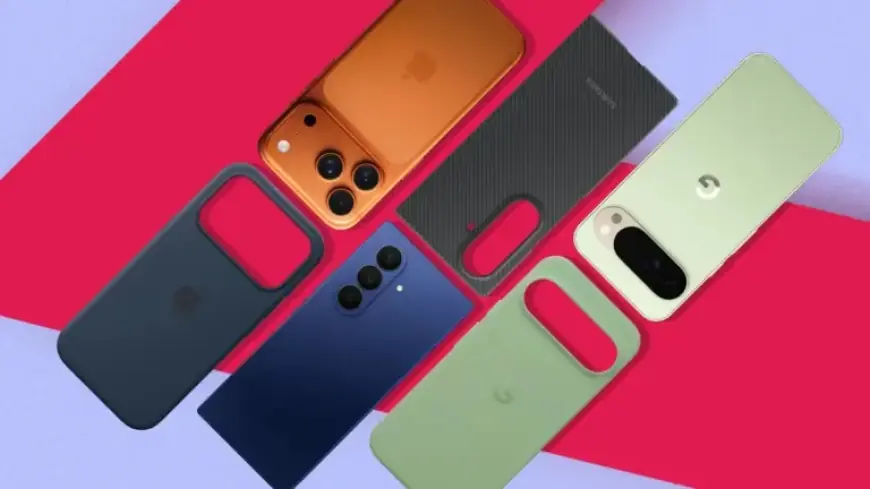
In the world of smartphones, the trend toward glass construction is apparent. Many consumers pay a premium for devices that feature beautiful glass backs, often costing around $1,200. However, the irony lies in the use of plastic cases that users apply immediately after purchase, effectively shielding the glass from potential damage.
Why Pay for $1,200 Glass Backs Hidden in Plastic Cases?
The premium price of flagship phones often justifies their glass backs, providing an illusion of luxury. However, this design choice raises the question: why invest in a delicate material only to cover it up? The industry seems to profit from this cycle of fragility, which leads consumers to spend even more on protective accessories like cases and insurance plans.
The Glass Dilemma
The recent transition of the iPhone 15 Pro Max to titanium showcases the industry’s reluctance to abandon glass. Although titanium added only $7 to the production cost, it enables Apple to market the phone as “aerospace-grade,” justifying a higher price point. Similarly, the use of exotic materials like glass contributes to a secondary economy focused on protection.
The Reality of Glass vs. Plastic
Glass is inherently brittle, despite advancements like Ceramic Shield and Gorilla Glass Armor. The underlying issue is not the material itself, but the industry’s preference for glass over more durable options.
Premium Plastics of the Future
Polycarbonate is a high-performance thermoplastic that outperforms glass in terms of toughness. The frequent association of cheap plastic with budget phones diminishes its potential. Historical examples, such as the Nokia Lumia series and HTC One X, demonstrate how quality polycarbonate can feel premium and withstand impact.
The Myths Surrounding Plastic
- Scratching Concerns: While glass has a higher scratch resistance, advanced coatings can make polycarbonate equally resilient.
- Wireless Charging Compatibility: Plastic does not hinder wireless charging. Many compatible charging pads utilize plastic materials.
- 5G Signal Transmission: Plastic can support 5G signals well, contradicting claims that only glass can transmit these frequencies effectively.
- Thermal Conductivity: Both materials serve similar functions in heat resistance, with modern designs employing multiple components for effective heat dissipation.
The Need for a Redefined Premium
It’s time to redefine our perception of a premium smartphone. Attributes like durability should take precedence over aesthetics. Consumers should be able to handle their devices without fear of breakage, moving away from glass-centric designs.
Innovative alternatives, like those found in the Motorola ThinkPhone, demonstrate that high-rigidity polymers or carbon fiber constructions can provide the desired premium feel without the fragility associated with glass. As consumers, we should demand sturdier designs that do not rely on transient materials.
Ultimately, choosing a smartphone shouldn’t involve sacrificing durability for looks. With a shift in consumer expectations, the industry may finally prioritize lasting quality over fleeting luxury.