Germany Allocates €3 Billion EV Subsidy, Embraces Chinese Brands

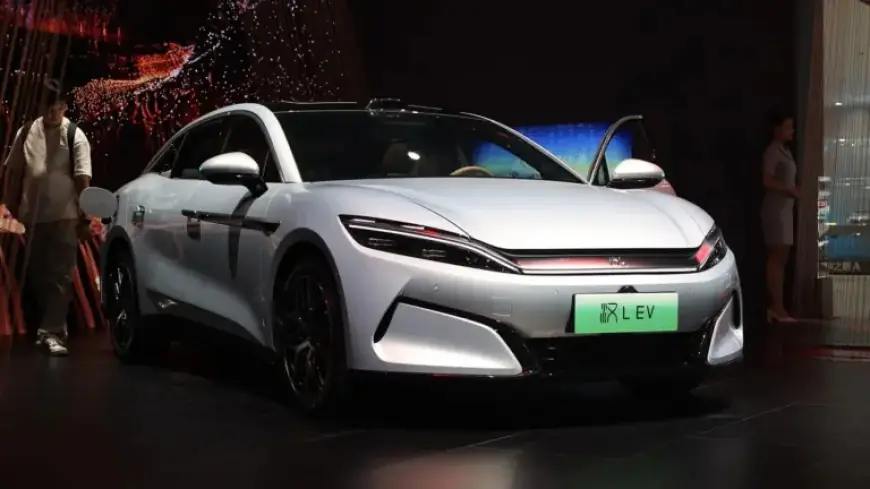
The German government has introduced a substantial €3 billion subsidy program to promote electric vehicle (EV) sales. This initiative aims to bolster Germany’s automotive sector, particularly after a drop in demand following the end of previous subsidies in 2023. The program is particularly beneficial for affordable Chinese manufacturers like BYD.
Details of the Subsidy Program
The newly announced subsidy offers financial incentives ranging from €1,500 to €6,000. The primary target audience for these incentives is low- to middle-income buyers. This is expected to revitalize the market, making EVs more accessible to a larger segment of the population.
- Total funding: €3 billion (approximately $3.5 billion)
- Subsidy range: €1,500 to €6,000
- Target recipients: Low- to middle-income buyers
- Expected vehicle sales supported: About 800,000 by 2029
Inclusion of Chinese Brands
The program is unique in that it will include Chinese brands alongside established German automakers, without imposing any country-of-origin restrictions. German Environment Minister Carsten Schneider welcomed this decision, emphasizing Germany’s commitment to fair competition.
“I cannot see any evidence of a major influx of Chinese car manufacturers in Germany. This is why we are facing up to the competition,” said Schneider at a press conference.
Comparison with Other European Countries
Germany’s approach contrasts sharply with other European nations. In the UK, recent subsidies effectively excluded Chinese EVs, while similar restrictions exist in France’s social leasing scheme. Germany’s open-door policy for Chinese brands is seen as a strategic move to enhance its position in the evolving automotive market.
Strong Diplomatic Relations with China
Germany has maintained strong diplomatic ties with China, recognizing the importance of collaboration in the automotive sector. German automakers have significantly influenced China’s automotive landscape and enjoy similar incentives as domestic producers.
Both German and foreign manufacturers, like Volkswagen and Tesla, benefit from national policies that promote EV sales in China. These incentives demonstrate a mutual relationship that transcends simple market competition.
As the European EV market continues to expand, Germany’s €3 billion EV subsidy program is set to play a pivotal role, not only in boosting local demand but also in reshaping the competitive landscape in favor of Chinese brands.