Icon Redesign: Enhancing the Down Arrow Button

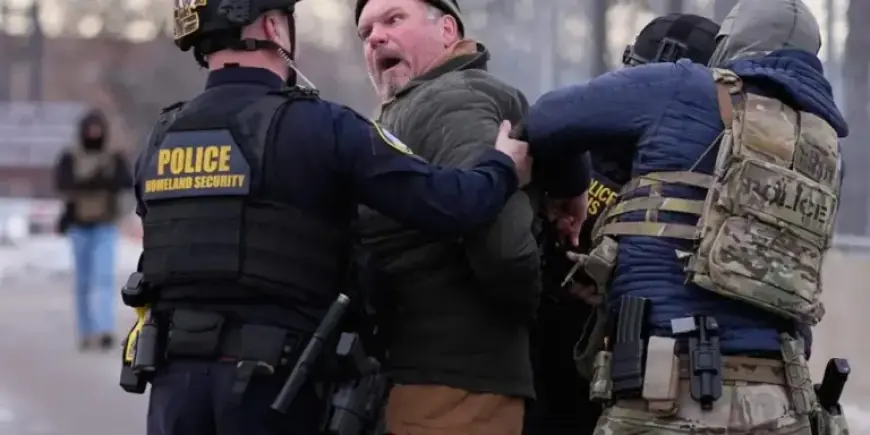
Recent developments from the Pentagon indicate a significant mobilization in anticipation of potential unrest in Minnesota. Approximately 1,500 active-duty Army soldiers have been placed on standby for possible deployment. This action reflects growing tensions over federal immigration enforcement efforts in the state.
Deployment Readiness in Minnesota
According to two defense officials who spoke anonymously, two infantry battalions from the Army’s 11th Airborne Division are poised for deployment. This unit, stationed in Alaska, specializes in arctic operations, making them uniquely qualified for diverse missions.
Presidential Authority and Legal Context
The orders come amidst discussions about President Donald Trump potentially invoking the Insurrection Act. This rarely employed law from the 19th century enables the president to deploy active-duty forces for law enforcement purposes. Trump hinted at such measures to address protests related to immigration policies.
Recent Statements from the President
- Trump indicated he would invoke the act if federal laws are not upheld in Minnesota.
- He described the situation as a confrontation with “professional agitators” opposing Immigration and Customs Enforcement (ICE).
- However, he later moderated his stance, stating there was no immediate need for its use.
Historically, the Insurrection Act was last invoked by President George H.W. Bush in 1992, aiming to restore order during the Los Angeles riots following the Rodney King verdict.
State Response
In light of the federal positioning, Minnesota Governor Tim Walz, a Democrat, has publicly called for restraint. He urged the president to avoid escalating the situation and instead seek dialogue, stating, “Let’s turn the temperature down.” Walz’s appeal highlights ongoing tensions with the federal administration.
As the situation unfolds, the implications of these military preparations and political maneuvers will be closely monitored. The potential deployment of troops stands at the intersection of immigration enforcement and civil unrest, reflecting current national challenges.
As we further analyze these events, it is crucial to consider their impact on public sentiment and governmental authority. The impending response from both state and federal entities will shape the ongoing discourse surrounding immigration and civil rights.