

























Azerbaijan confronts heightened uncertainty after missiles and drone strike near Nakhchivan airport

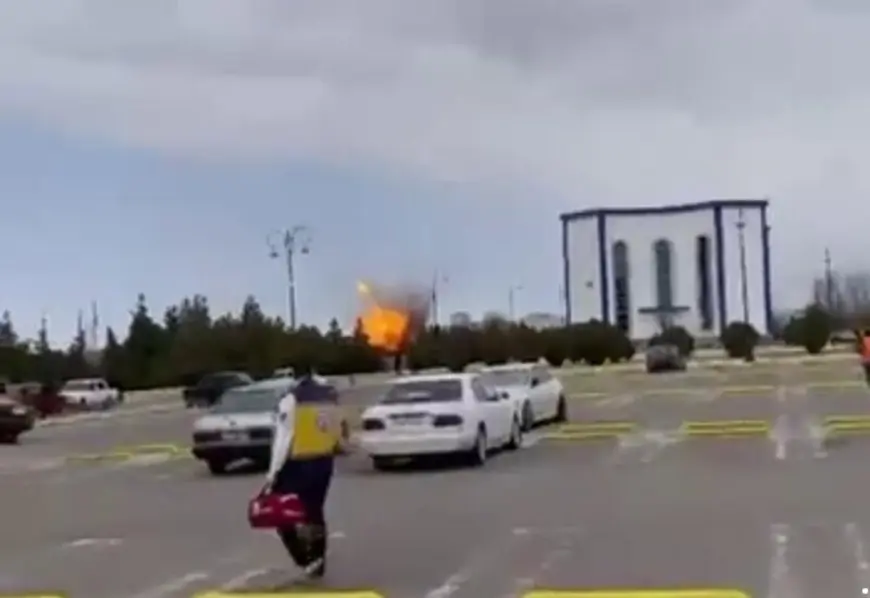
Why this matters now: the incident shifts a local security episode into a broader test of restraint and verification. Azerbaijani authorities say unmanned aerial weapons launched from Iranian territory hit the Nakhchivan Autonomous Republic around noon on March 5, striking an airport terminal area and forcing school and airport evacuations. The immediate consequence is a spike in diplomatic friction, unclear casualty reporting, and a realignment of how rapidly officials must confirm and respond.
Why this raises immediate risks for Azerbaijan and the Nakhchivan region
Even without a full official confirmation of every detail, the reported impact on civilian infrastructure and the subsequent summoning of a diplomatic representative underline two linked risks: unintended escalation and credibility gaps in real-time information. Here’s the part that matters — when weapons strike a civilian airport area, neighbouring capitals are forced to weigh rapid responses against the danger of widening the confrontation.
- Timeline snapshot: officials say the incidents occurred around noon on March 5; two unmanned devices were launched from Iranian territory toward Nakhchivan.
- Impact highlights: one device is said to have fallen on the terminal building at Nakhchivan International Airport, damaging part of the facility; another crashed near a school in the village of Shekarabad.
- Immediate human effect: evacuation of teachers and students near the airport was carried out; statements on injuries conflict and remain unresolved.
- Diplomatic action: the Iranian ambassador to the country was summoned and a formal protest was announced; authorities also signalled the right to take appropriate retaliatory measures.
- Verification gap: footage has circulated showing flashes and explosions near the airport, but authenticity has not been verified and officials have not confirmed all elements of the imagery.
What happened in Nakhchivan — reported details and the outstanding questions
two drones were launched from Iranian territory toward the Nakhchivan Autonomous Republic. One of the devices reportedly struck the terminal building at Nakhchivan International Airport, damaging part of the facility, while another crashed close to a school in Shekarabad. Teachers and students from nearby schools were evacuated after the incident. A drone was located in an open area near the airport.
On casualties and health updates there is a clear discrepancy in the public record: some statements indicate injuries to two civilians, while the local Ministry of Health has said there were no deaths or injuries following the incident. This inconsistency remains a developing point and limits confidence in immediate assessments.
The real question now is how quickly independent verification can close that gap. Videos shared online show flashes and explosions near the airport, and users on social platforms have linked the footage to the incident, but the authenticity and exact circumstances have not been independently confirmed. It’s easy to overlook, but incomplete or conflicting public accounts will shape both domestic response and international messaging in the hours ahead.
Officials also framed the strikes as unlawful and warned they risk further escalation in the region. Following the incident, a diplomatic protest was prepared and the Iranian ambassador was summoned to receive it; authorities said they reserve the right to retaliate if necessary. These moves increase political pressure while leaving operational decisions on any response unresolved.
What could confirm the next turn: clearer casualty and damage assessments from medical and airport authorities; independent verification of the circulated footage; and public statements from defence or foreign ministries clarifying the source and intent of the devices. If none of those appear, uncertainty will continue to drive regional tensions.
—
Writer's aside: The bigger signal here is that the combination of damaged civilian infrastructure, evacuation of schools, and immediate diplomatic steps creates a high-risk mix — even if some technical details remain unverified.