

























2,500 Employees Laid Off Despite Record-Breaking Year

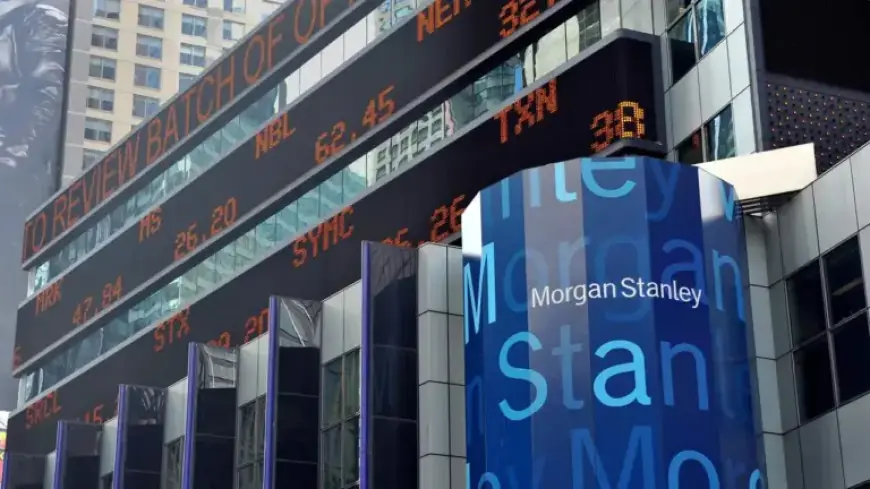
Investment banking giant Morgan Stanley is set to lay off approximately 2,500 employees, representing around 3% of its global workforce. This decision comes despite the bank experiencing one of its most successful years to date in 2025. The reductions are affecting the firm’s main areas: banking, trading, and wealth management.
Key Factors Behind the Layoffs
Sources indicate that the layoffs stem from shifting priorities within the business, including changes in operational locations. These cuts commenced last week and will impact both U.S. and international offices. Specific information regarding the number of jobs to be eliminated in regions like Australia remains unclear, where Morgan Stanley employs around 500 people.
Overview of Morgan Stanley’s Performance
- Morgan Stanley operates with a global workforce of approximately 83,000 employees.
- The bank achieved record revenue in 2025, driven by increased deal-making activity and market volatility.
- Its wealth management unit, a significant revenue contributor, reported a 13% revenue increase in the fourth quarter.
Despite these positive results, the firm has previously undergone multiple rounds of job cuts. This latest round includes reductions in private banking and back-office positions, some of which are associated with client mortgage services.
Industry-Wide Job Reductions
Other leading institutions like Goldman Sachs and JPMorgan Chase are also reducing their workforce amid a push for greater efficiencies, which includes adopting artificial intelligence technologies. Similarly, many large corporations have announced substantial layoffs, often citing advancements in technology as a factor.
Recent Industry Layoffs
- Jack Dorsey’s new venture, Block, announced it would cut 4,000 jobs, approximately 50% of its workforce.
- Salesforce recently reduced its customer support staff by around 4,000 positions.
- Pinterest cut nearly 15% of its workforce last year amid ongoing economic challenges.
The ongoing layoffs signify that even high-performing companies are reevaluating their workforce in response to economic uncertainty. The situation raises questions about the sustainability of job positions in a rapidly evolving market landscape.