Manitobans Voice Frustration with Complex Digital Health Card Process

Manitobans are expressing their frustration with the complex process of obtaining digital health cards. The province launched the new digital health card system this week, aiming to streamline access to health services. However, early users report a cumbersome and complicated experience during sign-up.
Challenges in the Digital Health Card Process
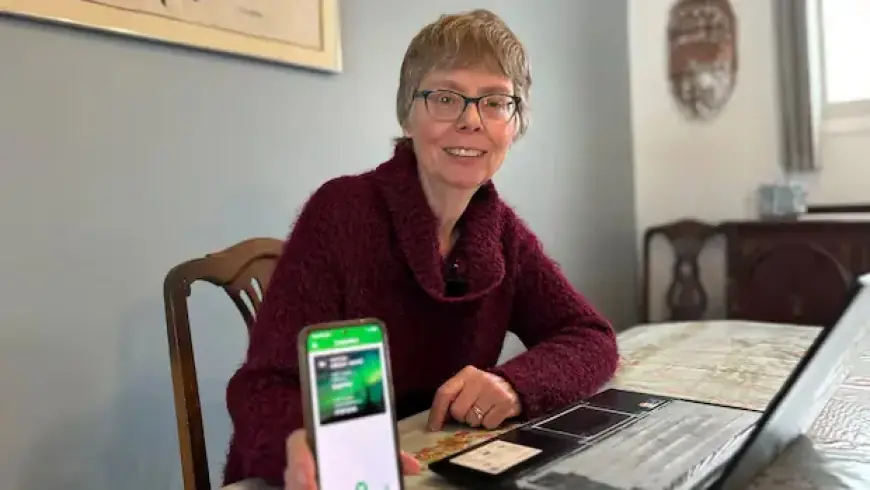
Winnipeg resident Dorothy Stephens was initially enthusiastic about getting her digital health card. An experienced user of mobile technology, she downloaded the MB Wallet app on the launch day. However, she quickly found the process frustrating and disappointing.
- Manitobans must first create a My Manitoba Health Card account.
- A request for a digital health card is made through the “replacement card” option.
- After submitting the form, residents wait up to two hours for the digital card to become available.
After confirming their identity, users can download a QR code from their health account. This code must be scanned in the separate MB Wallet app to add the digital card. Some users reported that this step added unnecessary complexity to the process.
Current Statistics on Card Issuance
As of last Friday, Manitoba had issued 15,285 digital cards, with an additional 293 applications processing, according to a provincial spokesperson. The spokesperson noted that 23,000 Manitobans applied for plastic health cards in the previous week. This indicates a significant demand for health card services.
The spokesperson mentioned that while most applications for digital cards take about 30 minutes, some can take longer due to verification requirements. Users must provide information that matches the health registry, complicating the process further.
User Feedback on the Digital System
David Sawatzky from Altona echoed similar sentiments regarding the digital health card process. Although he recognized the convenience of digital cards, he found the multi-step sign-up process excessively complicated. Sawatzky described the experience as needing multiple pins, emails, and logins, which proved to be tedious.
He emphasized the importance of simplifying the process for users, noting that a streamlined approach would encourage more Manitobans to adopt the digital system.
Government Perspective
Premier Wab Kinew highlighted that the digital health cards cost the province approximately $1.9 million and are optional for residents. He encouraged those looking for convenience to consider the digital option alongside plastic cards.
In summary, while the Manitoba government aims to modernize healthcare access with digital health cards, initial user experiences reveal significant frustrations. Many residents are calling for improvements to make the process more user-friendly and accessible.