
























Rory Mcilroy and Tour Tension: How Jon Rahm’s Accusation of DP World Tour 'Extortion' Raises New Stakes

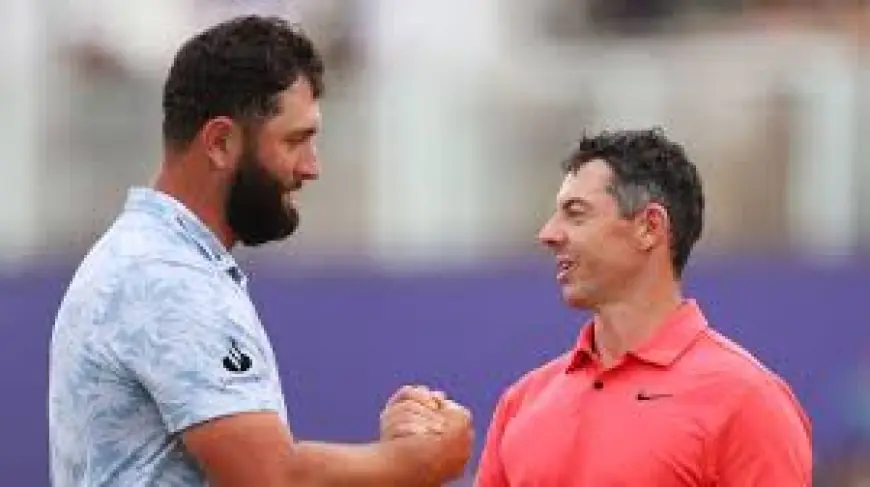
The spotlight on rory mcilroy’s name in recent headlines matters because it highlights how a single public clash can reshape tour negotiations and player freedom. Jon Rahm’s blistering charge that the DP World Tour is effectively "extorting" LIV Golf players by demanding a six-event minimum and penalizing those who don’t secure releases pushes the conversation from private bargaining into a visible dispute that could change the balance of power for top players like rory mcilroy.
Rory McIlroy: the headline that widens the consequences for player–tour relations
Here’s the part that matters: the dispute isn’t just a contract quarrel, it’s a signaling moment. A provided headline ties Rory McIlroy’s name to the broader fallout, underscoring how top stars are central to tour leverage, public opinion, and future membership terms. If elite players push back on mandates, tour officials face pressure to justify minimums, release policies and penalty structures in plain public terms rather than behind closed doors.
- Players' leverage: Strong-name players change the economics and optics of events; demands or refusals by them affect negotiation dynamics.
- Membership thresholds: A contested increase from four to six required starts raises questions about what counts as reasonable participation.
- Release and penalty mechanics: Using fines and release rules as leverage creates a political as well as contractual fight.
- Public framing: Headlines attaching star names make quiet dealmaking a public-relations problem for tours.
What’s easy to miss is that the argument is narrowly framed around membership mechanics rather than a broad policy overhaul — yet those mechanics determine who can play where and when, which is exactly why the dispute exploded into headlines.
Event details and the positions on the table
Jon Rahm has publicly criticized the DP World Tour’s current contract proposal, calling it coercive and objecting to specific conditions that would require a minimum of six events, including two prescribed locations. He said he would not sign under those terms and emphasized that a four-event minimum is what he has historically met and would accept — a position he described as non-negotiable unless the tour lowers its demand.
Other elements in the immediate picture: last month the European body announced a deal affecting eight LIV Golf players that changes how fines are applied for competing in events held the same week as tour tournaments. Rahm also raised the broader issue of release requirements and penalties tied to playing on the competing league, framing the policy as an attempt to extract leverage from players' participation and impact.
The real question now is whether tour leadership will stick to the six-event mandate, shift back toward four, or seek some middle ground — and how quickly they will respond while the dispute remains in public view.
Mini timeline of the visible sequence:
- A recent policy offer from the tour proposed a six-event minimum with specific location requirements for some events.
- Earlier, a deal was announced that changed fines for a small group of players who competed on rival-tour weeks.
- Rahm publicly rejected the six-event terms and said he would only agree if the requirement returned to four events.
Near-term signals that will indicate which way this moves include whether the tour revises the six-event clause, whether more players publicly refuse to sign, and whether additional small-group agreements are expanded. If those shifts occur, public headlines tying names like Rory McIlroy to the debate will matter even more.
Writer’s aside: The bigger signal here is that procedural changes — how many events count, where they must be played, and what penalties apply — can have outsized effects when they collide with high-profile player decisions.
For readers tracking the story: expect more public statements or clarifications from the tour side and further player pushback or negotiation posturing. Recent updates indicate the issue is active and details may evolve as parties respond to public scrutiny.