Supreme Court Could Halt Thousands of Monsanto Weed Killer Lawsuits

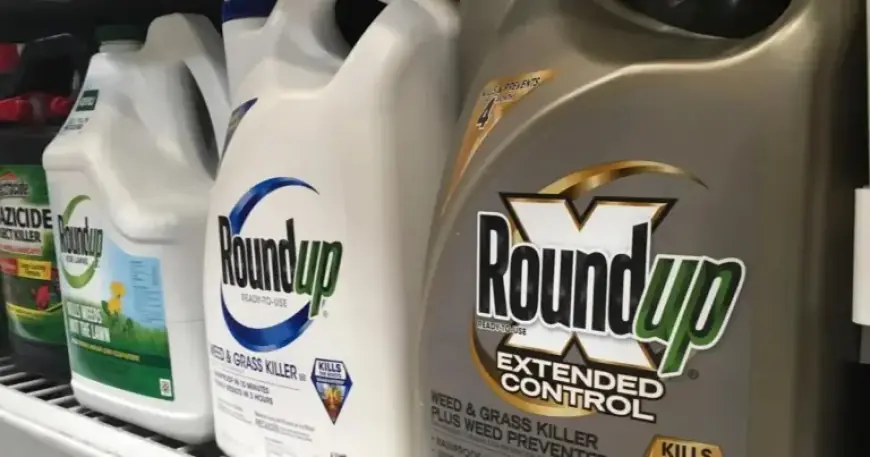
The U.S. Supreme Court has agreed to hear a significant case involving Monsanto, the maker of the widely used weed killer Roundup. This case could potentially shield the company from a multitude of lawsuits related to allegations of cancer risks associated with its product, which contains glyphosate.
Understanding the Legal Context
At the core of this legal battle is whether the Environmental Protection Agency (EPA) has the authority to dictate labeling requirements concerning glyphosate, the active ingredient in Roundup. Monsanto claims that since the EPA has not mandated a cancer warning label, it should not face legal repercussions under state law.
- It has been established that glyphosate is one of the most globally used herbicides.
- Conflicting studies exist regarding its carcinogenic potential, with some suggesting it is likely a carcinogen and others disputing this claim.
Details of Monsanto vs. Durnell
The upcoming Supreme Court case stems from a lawsuit filed by John Durnell, a Missouri resident diagnosed with non-Hodgkin’s lymphoma after years of using Roundup without protective gear. In 2023, a state court jury awarded him $1.25 million after concluding there was a failure to warn about potential dangers, though they rejected claims that the product was defective.
Monsanto has maintained that the EPA’s long-standing position is that glyphosate does not cause cancer. The company argues that including a warning label would contradict the EPA’s findings, which have been consistent over decades.
Potential Implications for Farmers and Consumers
The Supreme Court’s decision to hear this case has been viewed favorably by some. Bayer CEO Bill Anderson noted that clarity in regulations is essential for U.S. farmers. The ruling could change how companies are prosecuted under state laws, particularly regarding compliance with federal regulations on product labeling.
Environmental Concerns and Industry Reactions
While Monsanto and Bayer advocate for legal protections, environmental groups have expressed strong opposition. They argue that shielding pesticide companies could result in insufficient accountability for health risks associated with their products.
- Patti Goldman, a senior attorney with EarthJustice, emphasized that consumers do not expect to face cancer risks when using pesticides.
- Environmentalists maintain that state lawsuits are crucial for holding manufacturers accountable.
The Supreme Court is expected to hear arguments in April and may render a decision by late June. This case could set a pivotal precedent concerning the intersection of federal and state regulations on product liability.