























Texas Governor Race: Who’s running for governor and which challengers are gaining ground

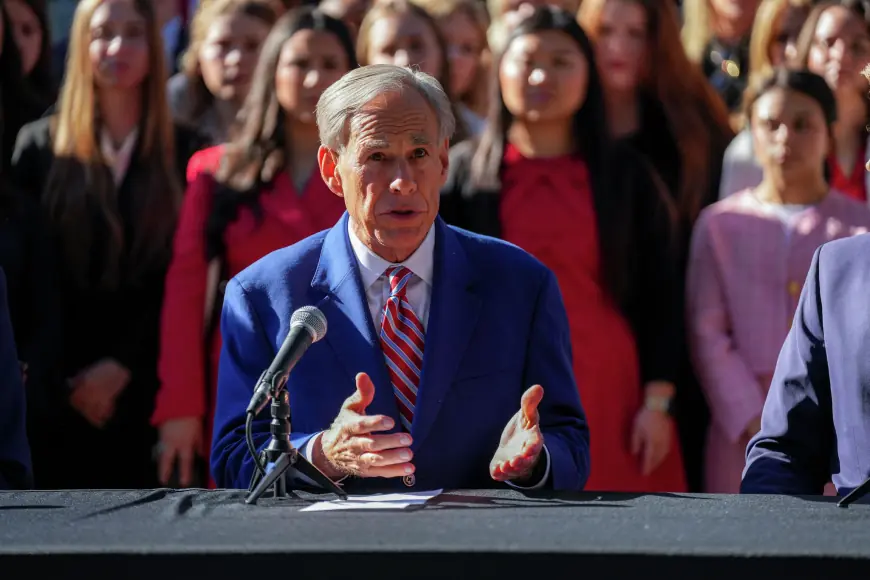
The Texas Governor Race is shaping up as incumbent Gov. Greg Abbott seeks a fourth term while a crowded Democratic primary offers a potential pathway to a competitive general election matchup. Early polling in the Democratic field highlights one clear frontrunner and a trio of nominees drawing measurable attention as the state approaches primary contests.
Texas Governor Race: Democratic field and early polling
Of the nine Democratic primary candidates, only three are polling above 5%, and one candidate holds a substantial lead in early numbers. A recent poll places State Representative Gina Hinojosa at 37%, roughly 30 points ahead of the next Democrat in that survey. The same poll shows Hinojosa trailing the incumbent by a narrower margin in a hypothetical general election matchup, where she is about seven points behind.
Hinojosa is a five-term state representative from House District 49, which covers central Austin and includes the University of Texas campus. At the state Capitol she serves on the Public Education and Business & Industry committees and has chaired the state House Democratic Campaign Committee. Her campaign emphasizes everyday economic issues—public schools, health care affordability and rising household costs—and she has flagged private equity ownership in health care and high insurance and drug prices as targets for reform. Hinojosa has also positioned herself as the best-positioned Democratic alternative to the incumbent and has highlighted endorsements and fundraising claims as part of that argument.
Challengers shaping the primary narrative
Two other Democratic contenders are staking out distinct lanes within the field. One is a former Houston city council member who later served a single term in Congress in the early 2000s and was his party’s gubernatorial nominee in 2006. His campaign centers on anti-corruption themes and a promise to clean up what he describes as pay-to-play politics; his career path includes work in journalism and broadcast news before becoming an attorney, which his campaign emphasizes as part of a watchdog identity.
Another candidate from East Texas is running a working-class populist pitch. He is a retired firefighter and a small producer whose campaign focuses on property taxes and public education. That campaign’s platform lists populist reforms including raising the minimum wage, strengthening workers’ rights to organize, and legalizing marijuana, aiming to appeal to rural and small-town voters who feel overlooked by statewide politics.
Incumbency, primaries and what to watch next
Gov. Greg Abbott is seeking a fourth term, and the state’s recent electoral history in gubernatorial contests remains a relevant backdrop: the state has not elected a Democratic governor since the early 1990s. As the state heads into primary season, ballot watchers will be focused on whether the current frontrunner can maintain her margin in the Democratic contest and whether other contenders can consolidate support or force a runoff dynamic.
In parallel to the governor’s race, primary vote counting and live results are being tracked in down-ballot contests, including the Texas House District 23 primary election. Those local results will help clarify turnout patterns and may offer early signals about the electorate’s appetite for change in statewide contests.
Key near-term items to follow: whether the leading Democratic candidate sustains her polling advantage, how endorsements and fundraising claims alter competitive dynamics, and whether turnout in contested primaries changes the calculus for both parties. Recent updates indicate headline polling and candidate positioning; details may evolve as the campaign moves forward.