Court Rules Against Federal Government; Emergencies Act Use in Convoy Protest Unjustified

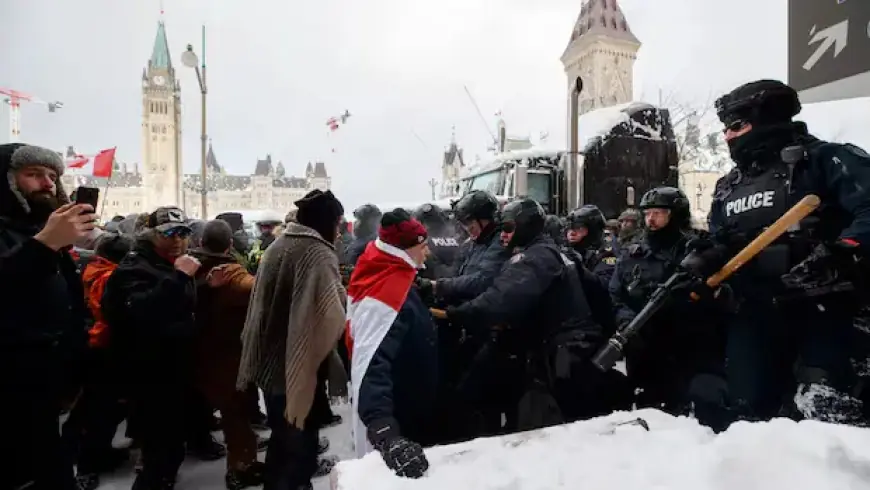
The Federal Court of Appeal has ruled against the Canadian government regarding its invocation of the Emergencies Act during the 2022 convoy protests. This decision marks a significant moment in Canadian legal history, declaring the government’s actions unlawful and an infringement on protesters’ rights.
Court’s Ruling on Emergencies Act Use
On February 14, 2022, the government, led by then-Prime Minister Justin Trudeau, invoked the Emergencies Act to address ongoing protests in Ottawa and blockades at key crossings, including the Windsor-Detroit border. The court dismissed the government’s appeal against a prior ruling from 2024 that deemed this decision unjustified.
Key Findings of the Appeal Court
- The court confirmed that the protests did not constitute a threat to national security.
- Chief Justice Richard Mosley previously indicated the government failed to demonstrate sufficient justification for invoking the act.
- The court underscored that protesters’ rights were infringed, particularly with the economic orders deemed overly broad.
The judges noted that, while the protests caused disruptions, they did not pose a credible threat to the health or safety of Ottawa residents. This ruling aligns with the findings of various civil rights organizations, which criticized the government’s measures as excessively severe.
Context of the Protests
The protests initially began as a response to vaccine mandates and quickly escalated to encompass various grievances against the government. Participants included truckers and other demonstrators who occupied the streets of Ottawa for several weeks, leading to temporary business closures and significant community disruptions.
Government’s Justifications Examined
In court, government representatives argued that the protests qualified as a serious security threat. They claimed that the decisions made under the Emergencies Act were temporary and aimed at restoring order.
However, the court rejected this argument, maintaining that the government did not have reasonable grounds for such a belief. This highlighted the critical distinction between lawful protest and potential threats to security.
Implications of the Decision
This court ruling poses important questions about the definition of national emergencies in Canadian law. The Emergencies Act defines a national emergency as a situation that cannot be adequately managed under existing law. The government interpreted this to include economic disruptions, a viewpoint the court found unconvincing.
Inquiry Contrasts with the Court Ruling
A public inquiry led by Commissioner Paul Rouleau reached different conclusions, suggesting that the government met the high bar required to invoke the act. Rouleau cited failures in law enforcement as justification for the government’s actions.
Ultimately, the recent court decision emphasizes the need for clarity regarding the thresholds for declaring national emergencies and the potential risks of overreach in government power. It invites further discussion on the balance between public safety and civil liberties in protest scenarios.