
























Canadian Troops to Relocate from Middle East Operations

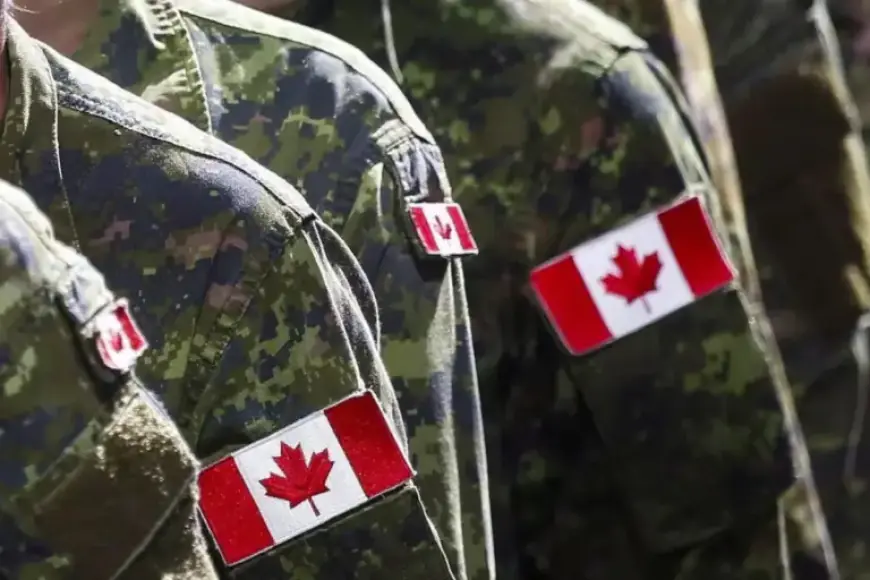
Approximately 200 members of the Canadian Armed Forces currently stationed in the Middle East are set for redeployment or return to Canada. This decision comes amid escalating tensions and conflict in the region. These personnel are involved in six separate operations.
Troops Relocation Details
Lieutenant-General Steve Boivin, head of the Canadian Joint Operations Command, confirmed the changes. He stated that additional troops, numbering six, would be dispatched as liaison officers. Their primary role is to assist with potential civilian evacuations.
Current Operations and Future Involvement
Lt.-Gen. Boivin emphasized that the Canadian Forces are not currently involved in the conflict. At a press conference during the Ottawa Conference on Security and Defence, he remarked, “We have not been involved in the planning of it, and we’re not involved as we speak.”
Prime Minister Mark Carney has indicated that military deployment remains a possibility should the situation warrant it. During his visit to Australia, he mentioned that certain recent events could lead to broader involvement, stating it is difficult to rule out any military participation.
Context and Implications
As military tensions rise, Ottawa is also assessing its defense procurement strategy. Stephen Fuhr, Secretary of State for Defence Procurement, revealed discussions about replacing Canada’s aging submarine fleet. There are considerations to split a multibillion-dollar contract across different bidders, including a German-Norwegian consortium and a South Korean shipbuilding company.
Government’s Defense Procurement Strategy
- Current Canadian deployment includes 200 troops in the Middle East.
- Six additional members will act as liaisons for potential evacuations.
- Future troop involvement could be assessed based on regional developments.
- Canada is evaluating submarine procurement options involving multiple international partners.
As this complex scenario unfolds, Canada continues to navigate the balance between national security obligations and international partnerships. The situation remains dynamic, with officials closely monitoring developments in the Middle East.