

























Bianca Censori Testifies as Ex-Worker Seeks More Than $1M Over Malibu Renovation

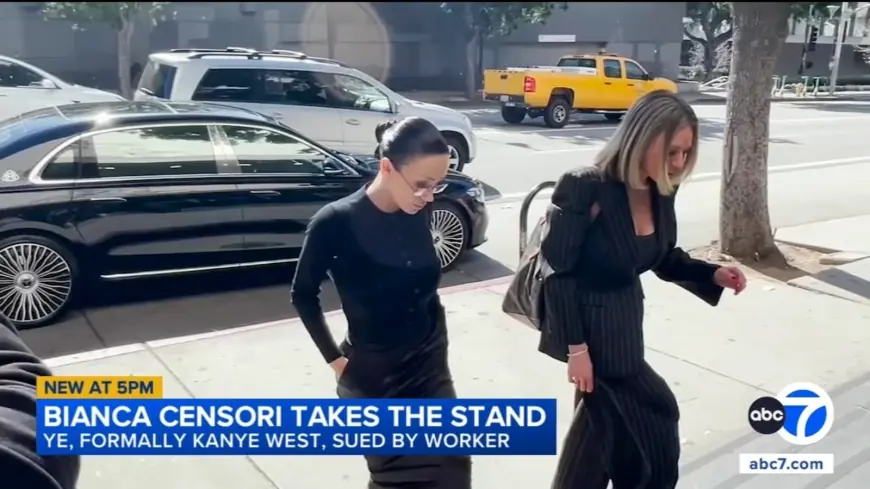
Bianca Censori took the stand for an entire day in a Los Angeles courtroom to answer questions about design and decision-making on the gutted Malibu home, a $57 million property at the center of a lawsuit that seeks more than $1 million. The testimony matters because it places the architect credited with visualizing the project directly into disputes over changing plans, worker safety and payment.
Bianca Censori's testimony about the Malibu house
Censori told jurors she holds degrees in architecture and that she served as lead architect on the 2021 project for the $57 million Malibu property, working on the design for a few weeks before Tony Saxon joined the site. She described her role as translating and rendering concepts envisioned by Ye, emphasizing that her work focused on visualizing plans rather than implementing construction decisions.
During questioning she pushed back on the notion that the project's purpose changed, saying the house had always been intended as a residence. Censori also confirmed she has power of attorney and can sign documents on Ye’s behalf, a detail that highlights her legal authority to act for him in matters related to the property.
Tony Saxon's lawsuit and Jeromy Holding's testimony
Tony Saxon, a former project manager, is suing for more than $1 million, alleging unpaid wages, dangerous working conditions and wrongful termination after he said he was fired following seven weeks on the job. Saxon told the jury he was hired to manage the renovation but was paid only once and later suffered injuries on the site while under pressure to continue working.
Testimony from handyman Jeromy Holding corroborated accounts of shifting instructions at the site. Holding described frequent changes in direction during the 2021 demolition, recounted an incident in which Ye confronted him for calling one famous woman by another name, and said he was nearly fired in his first week. Holding also noted that the home’s original design—praised on the stand as “immaculate”—was being dismantled during the project.
Both Saxon and Holding described proposals that involved removing traditional plumbing and electrical ties to municipal utilities. Saxon told the jury he raised safety concerns about plans that would disconnect the house from public water and power; he said he sought expert advice after hearing proposals that would treat waste into potable water, and that no such system was installed before his termination. Those safety complaints, Saxon said, preceded the altercation that led to his dismissal.
The suit alleges a mix of unpaid wages, unsafe and hazardous conditions, disability discrimination claims, and retaliatory termination. The legal defense has pushed back on some characterizations of the working relationship and payment, but the case has centered on whether management decisions and designs created the hazardous environment Saxon describes.
Decision-making, liability and courtroom dynamics
What makes this notable is how Censori’s dual role—both as the architect who visualized the project and as someone with power of attorney—connects design intent to operational choices on the ground, tightening the line between creative direction and potential liability for workplace conditions. The defense and plaintiffs are framing that connection differently: one side emphasizes conceptual design work and artistic intent, while the other points to on-site directives and their consequences for workers.
Testimony over multiple days has included vivid on-site recollections, allegations of rotating and sometimes extreme plans for the property, and disputed accounts of payment and duration of employment. The trial has drawn attention to specific, measurable points: a $57 million purchase price for the property, Saxon’s seven-week tenure before termination, and a damages claim exceeding $1 million. Jurors continue to hear whether those facts support Saxon’s claims for unpaid wages and damages stemming from alleged unsafe working conditions.
The proceedings remain active as additional witnesses are expected to clarify who made which operational decisions on the project and what direct impact those decisions had on worker safety and payroll practices.