Nick Reiner Entered Mental Health Conservatorship in 2020

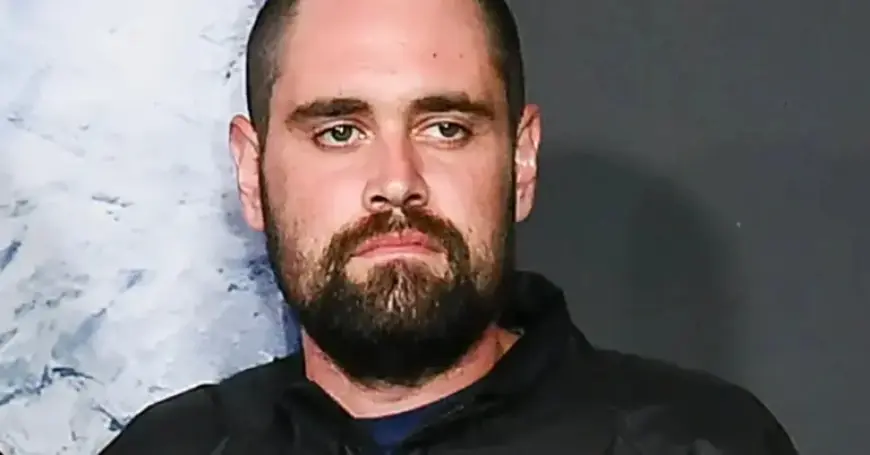
Nick Reiner, the son of filmmaker Rob Reiner, was placed under a mental health conservatorship in 2020. The arrangement followed significant mental health challenges that he faced in the years leading up to the conservatorship. Legal records indicate that the conservatorship was lifted in 2021.
Details on Conservatorship and Mental Health Struggles
The conservatorship was overseen by Steven Baer, a licensed fiduciary, who highlighted the complexity of mental health issues. He referred to mental illness as a misunderstood epidemic and emphasized the tragic circumstances surrounding Reiner’s case.
Legal experts note that a judge determined Reiner had a “grave disability,” as he was unable to meet basic personal needs due to his mental health. Lee Blumen, an attorney familiar with conservatorship cases, pointed out that such decisions are rare and indicate severe mental health conditions.
Connection to Criminal Charges
Nick Reiner is currently charged with the murder of his parents, Rob Reiner and Michele Singer Reiner, who were found dead in their Los Angeles home on December 14. If convicted of first-degree murder, he could face life imprisonment or the death penalty. Reiner has not yet entered a plea and is represented by a public defender.
Reports suggest that prior to the alleged murders, Nick Reiner’s mental health deteriorated, exacerbated by medication changes. He has a history of serious mental illnesses, including schizophrenia and schizoaffective disorder.
Implications of Mental Health in Legal Context
The defense may invoke a mental health strategy amid the seriousness of the charges. As acknowledged by Nathan J. Hochman, the Los Angeles County district attorney, it is crucial for the defense to assess whether Reiner is competent to stand trial and help with his defense.
Defendants found competent may argue a case of not guilty due to insanity. However, proving such a case is challenging. John Kip Cornwell, a law professor, noted that juries are often reluctant to acquit defendants who commit violent acts, even in cases involving mental illness.
Conclusion
As Nick Reiner awaits trial, the intersection of his mental health challenges and legal battles raises critical questions about the judicial handling of such cases. The upcoming proceedings will likely explore the depths of mental illness and its implications within the context of serious criminal charges.