























How Old Is Kelly Osbourne — 41 and Defending Herself After BRIT Awards Backlash

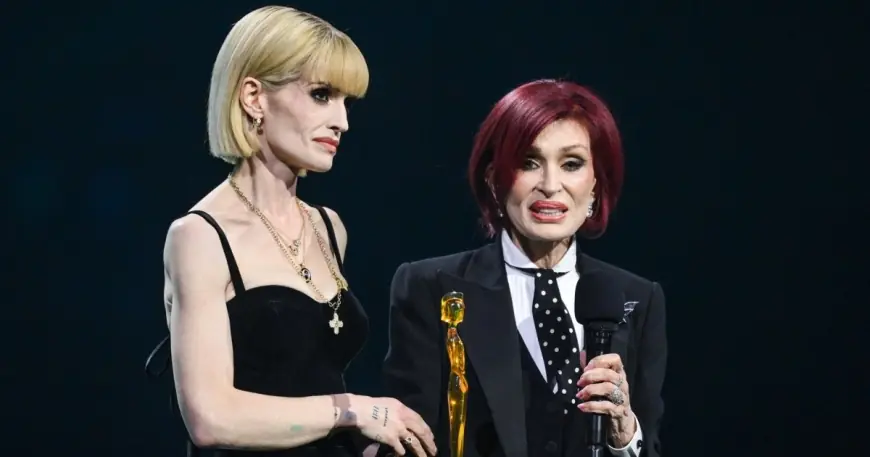
How Old Is Kelly Osbourne has been part of a heated online conversation after the 41-year-old drew attention at The BRIT Awards 2026. The public focus on her appearance matters now because it has prompted direct defenses from peers and family and reignited a debate about when commentary crosses into cruelty.
How Old Is Kelly Osbourne and the BRIT Awards reaction
Kelly Osbourne, 41, stood onstage at The BRIT Awards 2026 with her mother, Sharon Osbourne, to accept a Lifetime Achievement award on behalf of her father, Black Sabbath frontman Ozzy Osbourne. Ozzy, who died in July 2025 at 76, was being honored posthumously; observers said attention quickly shifted from the accolade to comments about Kelly’s perceived weight loss.
That attention produced a wave of online scrutiny: some expressed concern for her health, others speculated about medication use, and many offered harsh judgments on her appearance. In response, Kelly posted an urgent plea on Instagram, asking people to stop “kicking me while I’m down, ” and rejecting what she called dehumanizing commentary while noting she was enduring the hardest period of her life.
The public reaction follows a string of similar moments on the awards circuit, including commentary about guests at the British Academy Film Awards and earlier reactions to appearances at London Fashion Week. The debate over thinness in entertainment has also intersected with platform actions: the TikTok hashtag #SkinnyTok was removed from search results last summer after concerns it promoted disordered eating, underscoring how online trends and real-world scrutiny can feed one another.
Mia Tyler’s Instagram defense and Sharon Osbourne’s support
Mia Tyler, 47 and the daughter of Aerosmith frontman Steven Tyler, publicly defended Kelly with an Instagram post that explicitly chastised critics. The post featured white text on a red background, included the song “Violent Nature” by I Prevail and carried the caption, “How hard is it to not be a d---?” Mia wrote that “public grief is not public property, ” urging commenters to consider that grief can change a person and should not be dissected online.
Mia added, “Kindness costs nothing, ” and warned that cruelty costs character. Kelly reshared the message on her own account, amplifying the pushback. Sharon Osbourne, 73, has also spoken about her daughter’s state; when questioned in a television interview, Sharon said Kelly was right to push back and observed that her daughter “can’t eat right now, ” reflecting the family’s framing of recent weight changes as linked to bereavement.
Responses to Mia’s post were numerous and largely supportive, with commenters thanking Mia and urging compassion as Kelly copes with the loss of her father. Some replies pointed to a longer history of body scrutiny in Kelly’s career, recalling early comments she received in the entertainment industry. Others disagreed with the defenses, continuing the divisive conversation.
What makes this notable is how a personal bereavement—the death in July 2025 of a widely recognized musician—has reverberated through public platforms and ignited both sympathy and speculation. The cause (a highly publicized family loss) has a clear effect: visible changes in a grieving family member that then attract intense online analysis, prompting public rebuttals and support from named figures in the entertainment world.
The episode highlights a broader tension: when the public feels entitled to diagnose or police bodies in moments of private pain. Prominent voices from the industry have weighed in on the cultural implications, and the continued scrutiny shows how quickly attention can shift from an honor intended to commemorate a career to discussions about a survivor’s health and appearance.
For now, Kelly Osbourne has pushed back against commentators, family members have rallied in her defense, and the conversation has extended beyond a single awards-night appearance to questions about the responsibilities of audiences and platforms when commenters engage with grief in public.