























Scarpetta Movie: Kidman and Curtis Push Darker Tone as Series Is Renewed for Season Two

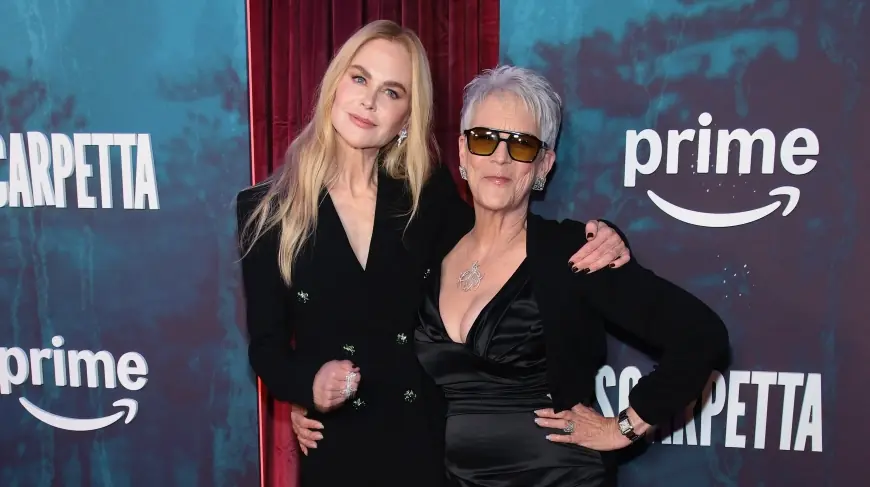
Nicole Kidman and Jamie Lee Curtis steered the adaptation toward a darker, horror-leaning sensibility for the Scarpetta Movie promotional run as the Prime Video series prepares for an expedited second season. The creative choices — including an amplified depiction of medical and murder scenes and a reworked killer storyline — have shaped both how the first season resolves and why the show was renewed so quickly.
Scarpetta Movie: Kidman and Curtis Embrace a Horror-Forward Approach
Showrunner Liz Sarnoff, working alongside executive producers Nicole Kidman and Jamie Lee Curtis, pushed the television adaptation to heighten the thriller’s visceral elements. Patricia Cornwell, the author of the novels on which the series is based, praised those adaptation choices, noting that the writers amplified aspects of the story that are difficult to convey on the page but powerful on screen — particularly what happens to characters when they are alone with their work and their fears.
The first season, presented across eight episodes, blends forensic procedure with serialized family drama: Kidman’s Dr. Kay Scarpetta and Curtis’ Dorothy are estranged sisters whose childhood trauma — witnessing their father’s murder — shapes competing relationships with death and with one another. Those dynamics feed into a plot about a string of gruesome killings that echo the case that launched Scarpetta’s career, and the creative team retooled the identity and presentation of the killer to sustain tension across dual timelines.
What makes this notable is that the adaptation did more than translate plot beats: it recalibrated tone and structure to create a more immediate, sometimes graphic, viewing experience, which the producers say was essential to maintaining suspense through both timelines.
Liz Sarnoff, Patricia Cornwell and Production Partners Move Quickly on Season Two
The series arrives on Prime Video with an early renewal in hand. Having been greenlit for a second season, production is set to begin next week, a rapid follow-up that preserves momentum created by the March 11 premiere date. Executive producers include Blumhouse TV and Jamie Lee Curtis’ Comet Pictures, and the production’s swift timeline reflects confidence in the show’s direction and audience appetite.
The decision to escalate the horror elements and the central mystery was deliberate: Sarnoff spent substantial time with writers weighing different options for the killer’s identity and how to prolong the reveal, and Kidman said viewers will understand the choice once they have seen all eight episodes. That creative choice led directly to a season finale shaped to deliver more than the novels in certain respects, and the producers’ willingness to diverge on key plot points appears to have been a factor in securing another season so soon.
Promotion for the series has been visible and stylized. Kidman joined fellow lead Jamie Lee Curtis and showrunner Liz Sarnoff for a discussion at 92nd Street Y and later attended a SoHo event at a wine bar, while also appearing on a late-night talk show. Those appearances highlighted both the darker themes of the series and a high-profile fashion campaign tied to the press push.
Key cast members who anchor the series include Simon Baker as Benton Wesley, an FBI criminal profiler and Kay’s husband; Bobby Cannavale as Pete Marino, a long-time homicide detective now married to Dorothy; Ariana DeBose as Lucy, Dorothy’s daughter who once worked for the FBI and has recreated her late wife, Janet (played by Janet Montgomery), as an AI program. The interplay among those characters, shaped by childhood trauma and professional duty, drives the stakes of the investigation and the show’s emotional center.
With production on season two due to start next week, the team has positioned the series to sustain its darker tone and to expand the narrative they retooled for television. The early renewal ensures the creative momentum from the premiere will carry into the next production cycle and allows the producers to continue exploring the consequences of the characters’ shared past.