






















For Actors and Former Athletes, Losing a Part to Chadwick Boseman Became a Career Lesson — Isaac Keys' Route from NFL Rooms to a Fan-Favorite TV Role

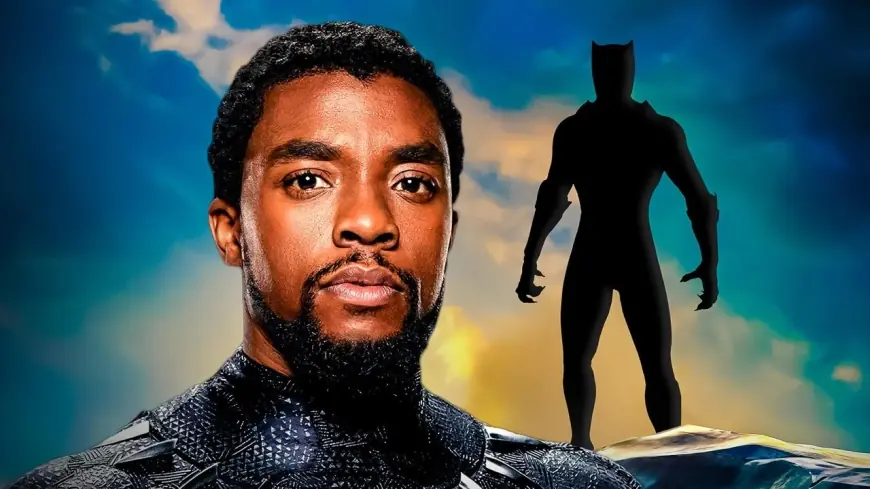
For aspiring actors and athletes thinking about a second act, the way Isaac Keys frames a high-profile loss matters. Keys says losing a Draft Day role to chadwick boseman didn’t produce bitterness so much as perspective: the setback clarified his priorities and sharpened his craft. That shift matters now because Keys parlayed those experiences into steady TV work, a memorable lead in a crime drama and a book about reinvention.
What losing a role to Chadwick Boseman teaches actors coming from sports
Here’s the part that matters for people making a career pivot: a single casting decision can change your trajectory without defining your value. Keys’ response to losing that part — admiration for the actor who got it and a renewed focus on training — is a practical model for performers who once competed under stadium lights. The idea is simple: redirect competitive energy rather than let a single outcome stall momentum.
How Keys’ path unfolded and which moments mattered most
Keys’ background follows a clear sequence from athlete to actor. He walked on at two colleges before earning a scholarship at Morehouse College, went undrafted but nevertheless signed with the Minnesota Vikings and later spent time with other NFL clubs, and competed in the CFL. When his playing days ended he moved into personal training, then acting classes. Early feedback at a respected studio was blunt and formative: instructors told him he could give a great performance but needed to improve his acting. That criticism shaped how he approached auditions.
- Stacking small wins: Keys built credits including a recurring role on Get Shorty.
- Key audition loss: He pursued a role in Draft Day that ultimately went to an actor who had recently portrayed Jackie Robinson; Keys responded by applauding that outcome.
- Breakthrough TV role: A chemistry read over Zoom with a series lead helped Keys land the role of Diamond Sampson on a crime-drama spinoff, a character that grew into a fan favorite.
- Closing an arc: Keys intentionally framed his character’s exit as a ceremonial moment, saying he wanted to "make this a glorious death. "
What’s easy to miss is how each of those steps builds resilience rather than erases earlier ambitions: training corrected technique, small parts built credibility, and the right chemistry read led to a role with emotional stakes.
Keys has also turned the experience into a practical playbook for others. His book, The Grind Don’t Stop, It Just Changes, reflects discipline, identity shifts and how to pivot arenas while keeping the work ethic intact. That framing signals a larger point for the audience of athletes-turned-actors: persistence plus craft often outlasts one disappointing casting result.
Who feels this most directly? Performers with athletic backgrounds navigating auditions; casting directors who weigh physicality and presence alongside technique; and viewers who respond to authentic, lived-in portrayals. For those groups, Keys’ story illustrates how a competitive foundation can be recalibrated for acting without losing the core drive.
The real question now is how more athletes will translate competitive experience into sustained acting careers rather than short-term novelty. If you’re wondering why this keeps coming up, note that Keys’ outcome wasn’t instant validation — it was incremental: training, small roles, chemistry reads, and a deliberate approach to character exits.
Final signal to watch for: more athletes publishing process-focused work or taking formal training before seeking large roles would confirm the pattern Keys represents. Recent public comments by other actors about honoring a predecessor’s legacy underscore the industry's sensitivity to legacy casting; that cultural context influences how actors respond when they miss a part, and how they move forward.
Writer’s aside: The bigger signal here is that a single high-profile loss rarely ends a career; it often redirects it toward a different kind of opportunity.