

























Deepwater Horizon Finds New Streaming Momentum — Inside the Terrifying True Story Behind Deepwater Horizon

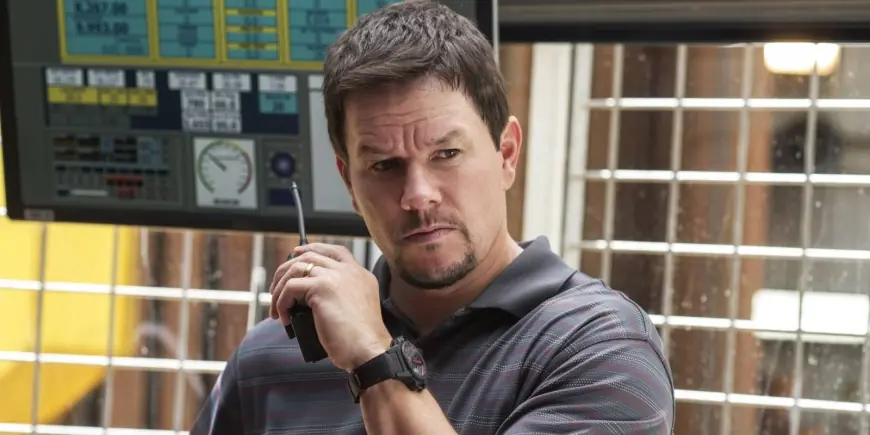
deepwater horizon was added to a major streaming platform on March 1 and quickly climbed into the service's Top 10 movies list in early March, debuting at the No. 6 position. The renewed attention matters because the 2016 disaster film struggled financially on its initial theatrical run, and the streaming surge has given the picture a second life a decade later.
Why Deepwater Horizon is resonating now
The film's return to prominence on a streaming chart highlights two intersecting dynamics: audience appetite for high-stakes, realistic disaster drama, and the longer tail of digital distribution that can revive underappreciated releases. Deepwater Horizon centers on an everyday working man thrust into a catastrophic event, an approach that distinguishes it from bombastic action fare and appears to be drawing viewers who want grounded suspense rather than spectacle.
Streaming exposure has put the movie back in front of audiences who may have missed it in theaters. Its placement at No. 6 on the platform's Top 10 in early March indicates steady interest amid competition from recent franchise titles that continue to dominate the chart.
How the film dramatizes the 2010 rig disaster
Deepwater Horizon dramatizes the April 2010 explosion of an offshore drilling rig in the Gulf of Mexico. The narrative follows the rig's crew as critical safety failures and ignored warning signs lead to a catastrophic blowout. The story is framed around Mike Williams, the rig's chief electronics technician, who finds himself confronting life-or-death choices as the crisis unfolds.
The movie was directed by Peter Berg with a screenplay co-written by Matthew Michael Carnahan and Matthew Sand, adapted from an investigative piece titled "Deepwater Horizon's Final Hours" by David Barstow, David Rohde and Stephanie Saul. The ensemble cast includes Mark Wahlberg as the central figure, alongside Kurt Russell, John Malkovich, Gina Rodriguez, Dylan O'Brien and Kate Hudson.
Critical standing, awards and box-office context
Despite positive critical reception at release, Deepwater Horizon underperformed financially in theaters. The production budget was reported at $110 million, with worldwide grosses near $121. 8 million; estimates cited in coverage place the film's theatrical losses in a wide range. The film did earn recognition from industry awards, receiving two Academy Award nominations for sound editing and visual effects and winning a prominent award for Best Sound from a major British film body.
Critics have continued to view the movie favorably: it maintains an 82% approval rating and a Certified Fresh designation on a leading review aggregator, based on several hundred critics and tens of thousands of user ratings. That sustained critical goodwill helps explain why the film is resurfacing in audience viewing habits now.
What the streaming uptick means for the film and the star
The streaming push gives Deepwater Horizon a chance to reach viewers who prioritize on-demand discovery over theatrical timing. For the film itself, renewed attention could close the gap between initial expectations and its long-term cultural footprint. For the lead actor, the movie stands out within his catalog as a grounded, sobering thriller that favors realism and human stakes over genre set pieces.
Other titles featuring the lead actor are also available on the same streaming service, which may be prompting bundled viewership: audiences who search for one film often sample others, boosting overall engagement with a performer's back catalog and helping a single title climb platform charts.
Looking ahead
The situation is developing: early March chart placement demonstrates current momentum, but rankings can shift rapidly amid heavy competition from franchise films and newly released titles. For now, Deepwater Horizon's resurgence is a clear example of how streaming windows can reshape a movie's commercial and cultural trajectory years after its theatrical release.