Elon Musk Warns Retirement Savings May Become Obsolete; Experts Weigh In

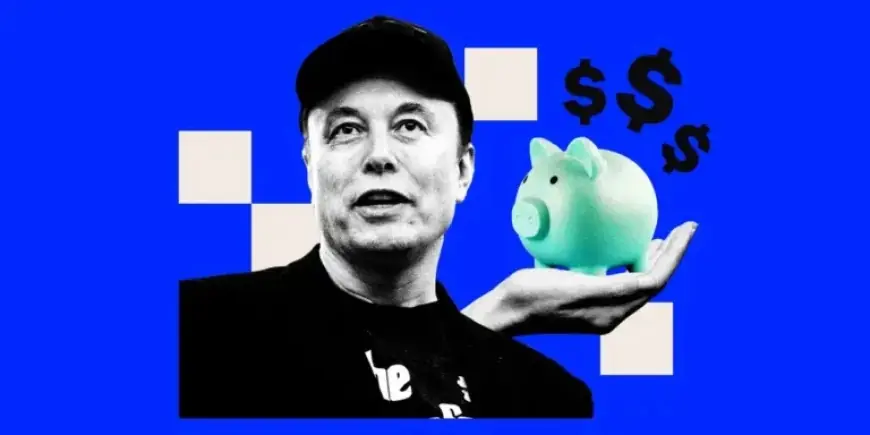
Elon Musk recently shared his vision for the future of retirement savings on the “Moonshots with Peter Diamandis” podcast. He suggested that advancements in artificial intelligence, energy, and robotics may render traditional retirement savings obsolete. Musk believes that individuals won’t need to save money for their retirement in 10 or 20 years, as he anticipates an impending era of abundance.
Musk’s Vision of Abundance
Musk envisions a world where technological progress drastically increases available resources. This optimism comes despite the current economic environment characterized by inflation, high interest rates, and sluggish wage growth. As of the third quarter of 2025, household debt in the U.S. reached a staggering $18.59 trillion, demonstrating the growing financial burdens on Americans.
Expert Opinions on Retirement Savings
In response to Musk’s remarks, several personal finance and AI experts cautioned against dismissing the need for saving for retirement. Their consensus highlights the importance of financial planning and prudent saving behaviors.
Geoffrey Sanzenbacher’s Warning
Geoffrey Sanzenbacher, a research fellow at Boston College’s Center for Retirement Research, labeled Musk’s claims as “dangerous and misleading.” He emphasized that Americans should prioritize savings, especially as Social Security faces potential funding challenges in the coming years.
Alicia Munnell’s Perspective
Alicia Munnell, also from Boston College’s CRR, expressed skepticism about Musk’s insights, urging people to focus on established retirement plans like Social Security and 401(k)s. She argued that Musk lacks an understanding of ordinary Americans’ financial realities.
Concerns Over Inequitable Gains
Olivia Mitchell, director of Wharton’s Boettner Center, acknowledged that AI might enhance productivity and lower costs. However, she cautioned that households cannot rely solely on this potential future. She pointed out that individual saving remains crucial, particularly as disparities in wealth distribution persist.
Need for Clear Plans
Kristin Pugh, a private wealth manager, emphasized the necessity of addressing logistical challenges in achieving a future where people’s needs are met without traditional employment. She stressed the importance of leadership in this transformative vision.
Long-Term Implications
Ekaterina Abramova, a professor at the London Business School, highlighted that AI’s impact on wealth would largely depend on government actions regarding wealth redistribution. She warned that a rosy future is not guaranteed without responsible fiscal policies.
Societal Challenges
Innovation theorist John Nosta cautioned that Musk’s predictions require a stable political and social framework. He stressed the importance of individual financial planning amidst uncertainty. James Ransom from University College London drew parallels to past technological predictions, cautioning against overly optimistic assumptions about the future.
Conclusion: Save for the Future
While Musk’s vision captures the excitement surrounding technological innovation, experts strongly advise maintaining a robust retirement savings strategy. The consensus is clear: Saving for retirement remains vital in an uncertain economic climate. It is wise to prepare for varying scenarios, instead of relying on an uncertain utopian outcome.