
























Montgomery County Public Schools shifts from electric bus push to ordering more diesel buses while testing AI at three high schools

Montgomery County Public Schools has moved away from a prior large-scale investment in electric buses and is now placing new orders for diesel vehicles, while also running a pilot of an artificial intelligence threat-detection system at three high schools. The twin developments matter because they mark concurrent shifts in the district's transportation procurement and school-safety experimentation that could influence near-term operations.
Montgomery County Public Schools orders more diesel buses after earlier electric push
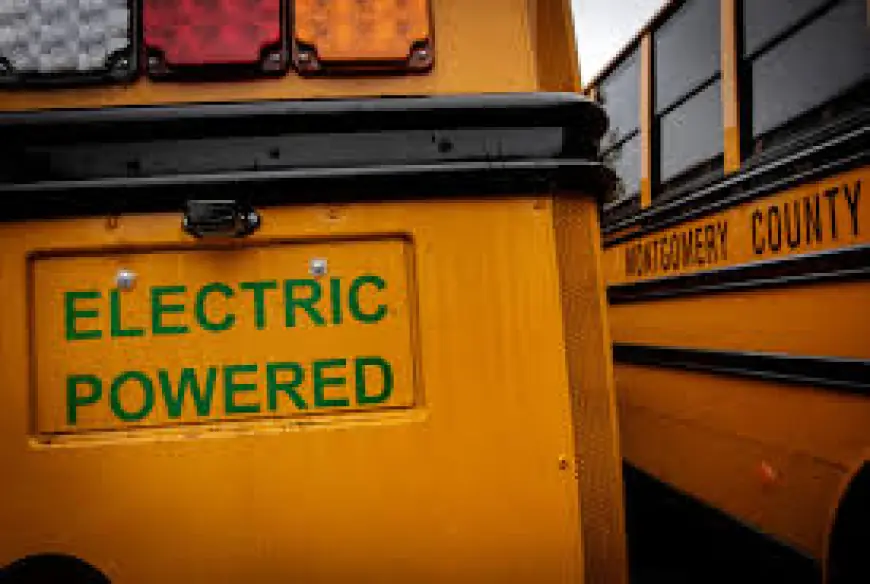
The district that once pursued an ambitious expansion of electric buses is now ordering additional diesel buses, a procurement decision that signals a retreat from the earlier electrification goal. The earlier program—characterized internally as a significant commitment to electric transit—has been described elsewhere as having faded, and the decision to add diesel units is an explicit, actionable reversal of that direction.
Ordering more diesel buses is an official change in fleet strategy and carries immediate operational consequences: it alters maintenance needs, fueling logistics, and the district’s emissions profile compared with a purely electrified fleet. The move also represents a concrete policy shift with budgetary and scheduling implications for vehicle deployment and staff training.
MCPS tests new AI threat-detection system at three high schools
Separately, MCPS has begun testing an AI-based threat-detection system at three high schools. The pilot is a discrete, measured step: testing at three campuses confines the program to a limited operational footprint while yielding data the district can use to assess effectiveness, false positives, and privacy or policy concerns before any broader rollout.
The juxtaposition of these two initiatives—new diesel bus orders and an AI safety pilot—creates a clear cause-and-effect dynamic within district decision-making. The decision to order diesel buses reduces the momentum behind the electric-bus goal; likewise, the small-scale AI pilot creates the possibility of expanded surveillance or safety tools if early results justify wider adoption. What makes this notable is the simultaneity of a transportation procurement reversal and an experimental safety technology deployment, both of which will generate tangible, measurable impacts on daily operations for students and staff.
The district’s actions are concrete: an official procurement move to add diesel vehicles and a limited AI test at three high schools. Together they reflect a moment in which Montgomery County Public Schools is recalibrating priorities for how students are transported and how threats are monitored on campus. The timing matters because shifts in fleet composition typically require months of planning and have long-term maintenance and budget implications, even as safety pilots may quickly influence policy and practice depending on early outcomes.
Observers within the district will be watching for follow-up steps: whether diesel bus orders will fully replace planned electric acquisitions, how the AI pilot performs across the three campuses, and what new procedures or investments emerge in the months ahead to handle the operational consequences of both moves.