
























Jeff Bezos, jeff bezos: Amazon Leo and Vodafone extend mobile coverage

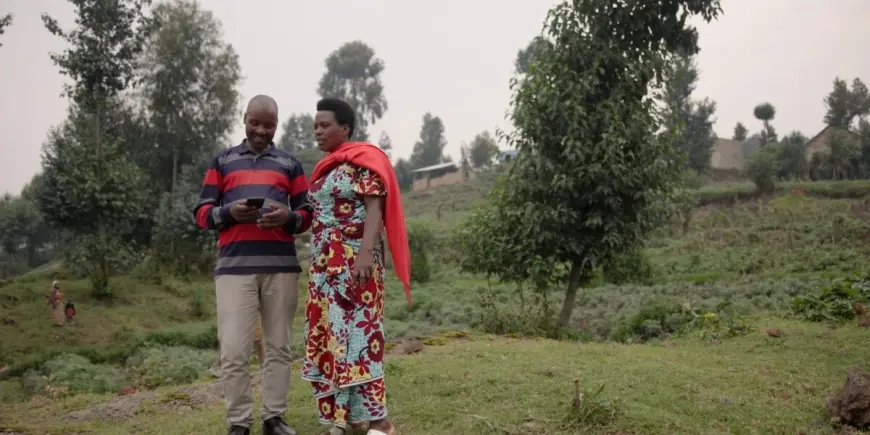
Vodafone and Amazon Leo have signed an agreement to connect many more 4G and 5G mobile sites in remote areas across Europe and Africa, a move intended to bring service to locations where fibre or fixed wireless links are impractical. jeff bezos appears among topical keywords tied to Amazon's satellite expansion; jeff bezos. The arrangement is designed to let operators deploy and sustain base stations more easily while boosting resilience for emergency and critical online services when fibre links are broken or impacted by flooding.
Jeff Bezos name in coverage
The current coverage of the deal includes references to Amazon's satellite broadband network, Amazon Leo, and Vodafone's plan to use the service to reach hard-to-serve mobile sites. The companies involved are positioning satellite-based backhaul as a way to extend network reach without the time and expense of installing long fibre or fixed wireless links back to the core network. Public statements emphasize that satellite connectivity will be especially relevant in rural and hard-to-reach areas.
How the Vodafone agreement works
Under the agreement, Vodafone will use Amazon Leo to connect geographically dispersed mobile base stations back to its core telecom networks in Germany and other European countries, with a progressive roll-out across Africa through Vodacom. Amazon Leo is built on a constellation described as comprising thousands of satellites and is intended to enable telecommunications providers to expand infrastructure rapidly satellite-based connectivity.
The service offers high-speed cell site backhaul capability, with stated performance of up to 1 Gbps download and 400 Mbps upload. Vodafone expects the satellite link to reduce the need for long terrestrial backhaul in areas where laying fibre or deploying fixed wireless is costly or slow, and to provide an alternative path when terrestrial links are damaged.
Rollout, partners and timeline
Amazon has said its satellite service will also work with Vanu to bring connectivity to communities that traditional infrastructure cannot reach, and will launch more than 100 missions to deploy its initial low Earth orbit satellite internet constellation. The companies have indicated the first mobile sites are expected to be connected in 2026, with broader deployment continuing as Amazon Leo builds out its network.
Forward look: the known schedule point is the expectation of initial site connections in 2026 and an ongoing constellation build that should expand capacity and geographic reach. If Amazon Leo continues to scale its launches and the constellation grows as planned, operators like Vodafone and its regional partners will be able to link more remote 4G and 5G sites without new terrestrial backhaul investment. Conversely, the pace of site connections will be tied directly to the constellation build and regional deployment plans.
Key takeaways
- Agreement connects mobile base stations across Europe and Africa using Amazon Leo satellite backhaul.
- Amazon Leo offers up to 1 Gbps download and 400 Mbps upload for cell site backhaul.
- Initial mobile site connections expected in 2026; Amazon plans more than 100 launch missions for its initial constellation.