Microsoft Turns to Central Washington Town Amid Data Center Controversy

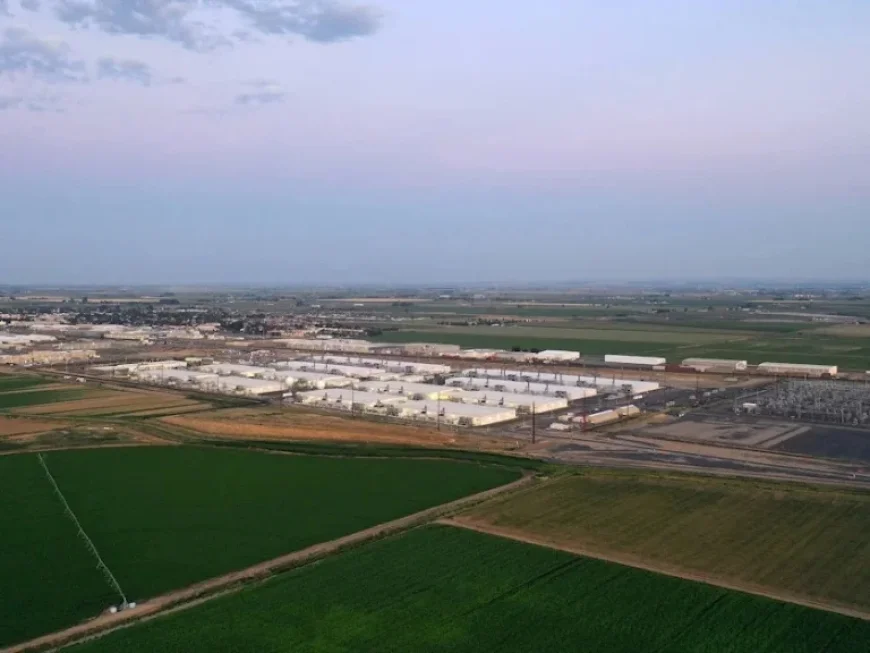
Microsoft is focusing on the small farming town of Quincy, located in Central Washington, amid a growing controversy surrounding data centers. Quincy, known for its production of French fries and proximity to the Columbia River, has been a critical site for Microsoft’s data center strategy for approximately 20 years.
Microsoft’s New Commitments
Recently, the company announced several initiatives aimed at addressing the backlash against expanding data centers in rural areas. The plan includes:
- Requesting local utilities to set energy rates that cover data center usage.
- Constructing new facilities with a closed-loop water system to reduce reliance on local water resources.
- Disallowing the acceptance of tax incentives from local governments.
- Enhancing workforce training programs.
During an announcement in Washington, D.C., Microsoft President Brad Smith emphasized the positive impact data centers have on local communities. He claimed Quincy serves as a prime example of how infrastructure projects can benefit small towns.
Local Perspective on Data Centers
Although data centers can be labor-light—employing around 50 people each—the cumulative effect in Quincy has been notable job creation. Over the years, the increased tax revenue has contributed to significant local improvements, including a new high school and hospital.
Smith pointed out that Quincy boasts one of the finest high schools in Washington, contrasting it with areas near major tech headquarters in Seattle. However, despite the economic advantages, not everyone in Quincy supports the data centers.
Concerns from Local Leaders
Former Mayor Patty Martin has voiced persistent concerns regarding the long-term implications of data centers. She expressed skepticism about the sustainability of the benefits, cautioning that increased energy demands and changing environmental factors could have detrimental effects in the future.
Nationwide Backlash Against Data Centers
The announcement comes amid nationwide opposition to data centers. Many critics argue that while these facilities provide some economic benefits, they impose substantial costs on local resources without proportionate job creation.
In another example, Microsoft recently withdrew plans to rezone land for a new data center in rural Wisconsin due to community resistance, opting for less controversial sites instead.
Electricity Consumption and Community Impact
A study by Pew Research highlights that data centers consumed about 4% of the United States’ electricity in 2024, equivalent to the annual usage of an entire country like Pakistan. As the demand for computing power grows with rising technologies such as artificial intelligence, many communities worry about potential increases in their electricity bills.
Smith acknowledged that community concerns regarding electricity prices and water supplies are paramount. He stated that infrastructure projects can only move forward when local residents believe the benefits outweigh the downsides.
The post