

























S And P 500 Proxy SPY Slumps as Inflation, AI Fears and Middle East Escalation Drive Hedging Rush

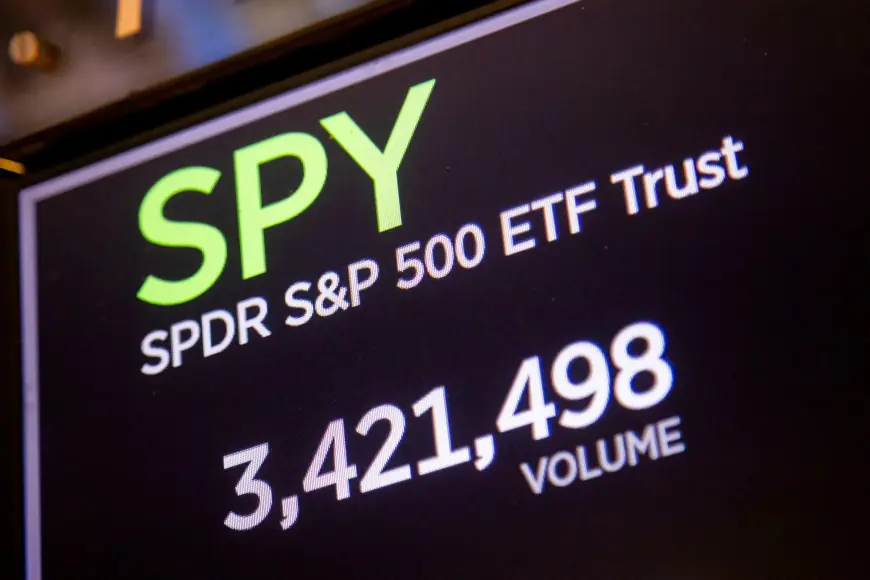
The SPDR S&P 500 ETF Trust (SPY) declined 0. 48% on February 27 as hotter-than-expected inflation data and renewed concerns about the disruptive potential of artificial intelligence combined with Middle East escalation to sap risk appetite. The move is significant because SPY, a widely used s and p 500 ETF, now reflects both flows and positioning shifts driven by a surge in oil and elevated options hedging.
February 27 price action and index links
SPY’s drop accompanied weakness across U. S. large-cap benchmarks: the S&P 500 Index traded down in the session by roughly 0. 43%–0. 5%, and the tech-heavy Nasdaq-100 fell about 0. 3%. The S&P 500 level moved to about 6, 860. 71 in the latest session, illustrating the near-synchronous move between the ETF and its underlying index. SPY closely tracks the S&P 500 Index (SPX), making the ETF a focal point for traders looking to gauge market reaction to headline shocks.
WTI crude spike and Strait of Hormuz fears
U. S. -Israeli strikes on Iran and concerns about the Strait of Hormuz sent crude prices higher, with WTI crude jumping more than 6% to around 71 USD a barrel. That rise in oil reopened worries that energy-driven inflation could choke growth at a time markets had begun to price a friendlier path for monetary policy. The oil move translated directly into market stress: energy and defense stocks rallied inside the index while growth and rate-sensitive technology names slid.
Sector rotation toward Exxon, Chevron, Lockheed Martin and Northrop Grumman
The selloff in SPY was broad but not indiscriminate. Oil majors such as Exxon and Chevron and defense contractors including Lockheed Martin and Northrop Grumman caught strong bids as investors rotated into so-called "war winners. " By contrast, chipmakers, megacap platforms and other rate-sensitive growth names were under pressure, and airlines and travel companies were hit by the double effect of higher jet fuel costs and fears of weaker demand if the conflict broadens.
Investor flows, volume and sentiment
Net flows into the ETF showed strain: SPY recorded five-day net outflows totaling $1 billion, while its three-month average trading volume stood at 79. 41 million shares. Retail sentiment around the ETF remained negative even as hedge fund managers increased their holdings in the last quarter. What makes this notable is the divergence between retail selling and institutional accumulation at a time when liquidity and volatility are both moving against directional positions.
Options, hedging and positioning
Options markets signaled elevated demand for protection. SPY put/call ratios climbed above 1. 2, indicating heightened appetite for downside hedges and a wider near-term trading range priced into options. Hedging flows are likely to amplify intraday swings while volatility remains elevated but orderly, leaving traders focused on whether the ETF can hold key support around recent lows.
TipRanks rating, Smart Score and price targets
Analyst metrics showed a mixed fundamental backdrop. TipRanks’ ETF analyst consensus assigns SPY a Moderate Buy rating and a Street average price target of 830. 72 USD, implying upside potential of 21. 10%. The ETF Smart Score for SPY is seven, a reading that implies the ETF is likely to perform in line with the broader market over the long term. A list of SPY’s five holdings with the highest upside potential and its five holdings with the greatest downside potential was noted but the specific names were not provided in the available material.
Major-bank strategists framed the near-term outlook as cautious. One study cited a historical median gain of about 0. 4% two weeks after major conflicts since World War II and a tendency for markets to recover roughly a month after hostilities begin. JPMorgan’s stance was described as tactically cautious, expecting a 1–2 week decline in risk assets that could turn into a buy-the-dip opportunity if oil stabilizes below the 100 USD threshold.
Analysts identified three variables that will shape the next leg of the move: Iran’s military response, any sustained disruption to the Strait of Hormuz, and whether oil prices remain anchored below the 75–80 USD band or break toward 100 USD. If tensions cool and crude retreats, SPY could shift from a "war trade" to a "recovery trade"; if the conflict widens, energy and defense are likely to continue outperforming while growth and consumer names lag.
In short, the interplay between hotter inflation prints, AI-related risk perceptions and geopolitics has driven a multi-pronged market response that is evident in SPY’s price action, flows and options behavior—forcing traders to navigate a narrower path between hedging and opportunistic buying.