

























Gold Price Nears $5,300 as Investors Flock to Bars Amid Volatility and Risk Warnings

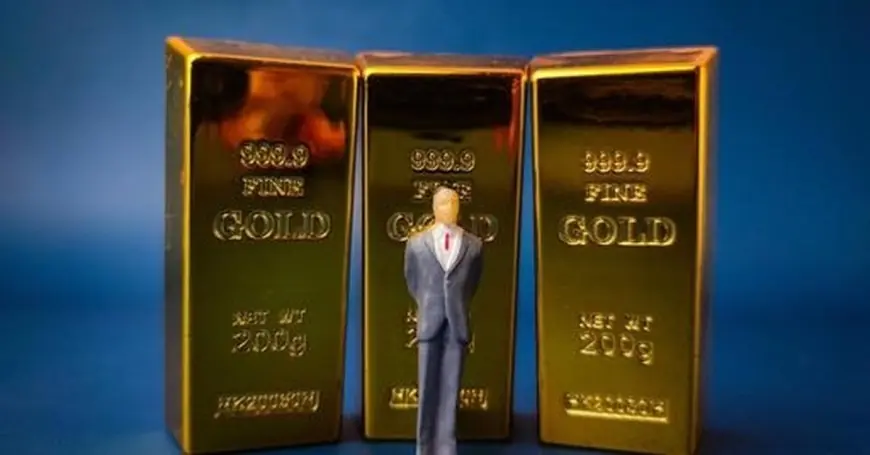
As of February 27, 2026 the gold price is approaching $5, 300 an ounce, a surge that has driven many investors into physical bars and other hard assets. The rapid rise matters because it reflects a broader flight to safety driven by inflation, aggressive central bank accumulation, and an appetite for stability amid volatile markets — yet experts warn that hallmarks of gold’s historic resilience carry hidden risks.
Gold Price spike: what’s pushing demand
Over the past year gold has climbed to levels that surprised seasoned market watchers. Persistent inflation, central banks buying aggressively, and widespread desire for stability during market swings are the immediate drivers cited for the rally. Recent coverage has highlighted that physical gold bars are at the center of the surge in demand as investors seek tangible stores of value.
Why investors are flocking to physical gold
Many buyers are turning to gold to shield portfolios from shocks and sharp market moves. The metal’s physical characteristics — it does not rust, corrode or expire — give a sense of permanence that appeals when other assets feel precarious. That perceived ability to retain value over time is a primary attraction for investors who want a tangible hedge against uncertainty.
Trade-offs: premiums, storage and dollar risk
Owning physical gold is not a frictionless play. Investors typically pay a premium above the spot price; premiums vary by bar size, mint and dealer, meaning the spot price must rise for the buyer to break even. Purchasing during a period of high premiums can leave an investor underwater if the market cools before prices move higher.
Storage and security introduce ongoing costs as well. Physical gold requires a secure home safe, a bank vault or a third-party depository, and those storage solutions carry fees that quietly erode returns in ways that do not show up on a simple price chart. In the event of a true financial crisis, selling physical bars quickly and at a fair price can prove difficult: dealers may widen spreads, buyers may retreat, and theoretical value does not always become immediate cash.
Another important but sometimes overlooked risk is currency linkage. While the metal itself is durable, its dollar-denominated price moves with the U. S. dollar. When the dollar strengthens, the gold price in dollar terms can fall even if nothing about the metal has changed. Investors who buy near peaks and sell amid a dollar rally can register real losses on paper.
Outlook: bullish technical calls and unresolved details
A market analysis team led by registered CMT and technical analyst AG Thorson has suggested the rally may not be over, forecasting a path toward $8, 000 an ounce and beyond in a titled market update. That projection represents a seismic shift from a few years ago when such levels seemed outlandish.
The same analysis noted that gold prices reached other significant thresholds sooner than expected, mentioning that prices were approaching $2, 000 per ounce much earlier than forecast. The context in the available material about how that earlier move ties into the newer $5, 300 level or the forecast target is unclear in the provided context.
What investors should weigh now
- Consider premium and dealer spreads: break-even requires spot price gains above purchase premium.
- Factor in storage and security fees: ongoing costs reduce net returns.
- Remember dollar exposure: a stronger dollar can lower dollar-denominated gold returns even if the metal itself is unchanged.
- Expect liquidity frictions in crises: selling physical bars quickly at fair prices is not guaranteed.
Despite those trade-offs, demand remains elevated and the gold price rally has captured mainstream investor attention. The situation is fluid; details may evolve as markets react to inflation trends, central bank behavior and broader volatility.