

























Gold Price Today Hits $5,408 Per Ounce as Iran War Sends Investors Into Safe-Haven Overdrive

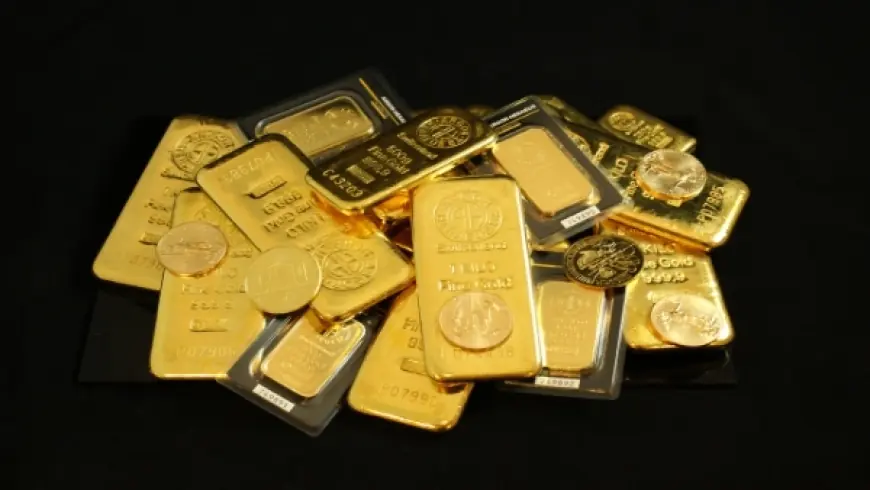
Gold price today is making history. Spot gold and gold futures surged Monday, March 2, 2026, as the outbreak of full-scale military conflict between the United States, Israel, and Iran triggered the single largest safe-haven flight into precious metals seen in years. The gold price today sits at its highest level on record — up nearly 96 percent from just one year ago.
Gold Price Today: Spot and Gold Futures Numbers Right Now
The gold price today sits at $5,408.26 per ounce as of Monday, March 2, 2026, according to Priority Gold.
Gold futures opened at $5,393 per ounce on Monday, up 2.8% from Friday's closing price of $5,247.90 — marking the largest close-to-open gain for gold futures since November 28, 2025.
Today's gold price range spans from $5,315.30 at the low to $5,409.70 at the high, with the previous day close sitting at $5,247.90 — representing a single-session gain of $124.40 or 2.37%.
As of 9:30 a.m. ET, the gold price was trading at $5,338 per ounce — a $2,447 increase from the same time one year ago, underlining the extraordinary pace of gold's appreciation over the past twelve months.
Why Gold Futures Are Surging Today: Iran War and Safe-Haven Demand
The latest gold rally follows the outbreak of hostilities in the Middle East. The United States and Israel launched airstrikes against Iran on Saturday, reportedly killing Supreme Leader Ali Khamenei and other top officials. Attacks are still underway and American casualties have been reported.
The war has affected gold futures, oil prices, and stock market futures simultaneously. More expensive oil could impact inflation, which in turn influences Federal Reserve interest-rate actions — and gold stands to gain from both global conflict and inflationary pressures, both of which typically increase safe-haven demand.
Analysts at J.P. Morgan described gold as having entered a "structural repricing phase," with long-term institutional targets as high as $6,000 per ounce. The present rally is gaining additional traction from this institutional support, with traditional safe-haven assets seeing unprecedented inflows as geopolitical risks overshadow other market considerations.
Gold Price Today vs. One Year Ago: A 96% Surge in 12 Months
Last March, the $3,000 per ounce gold price record seemed hard to fathom. By October 2025, gold was past the $4,000 mark. By January 2026, it was trading in the $5,000 range. Now in early March 2026, there is no definitive way to tell when this surge will end or where it will ultimately leave the price of the yellow metal.
The one-year gain for gold stood at 95.6% as of late January 2026 — a return that has outpaced nearly every other major asset class over the same period.
Silver Price Today Also Surging Alongside Gold Futures
Silver also rose alongside gold today, climbing 0.81% to $94.05 per ounce in early Monday trade on international spot markets. Analysts expect volatility to remain high as geopolitical developments continue to influence investor sentiment across all precious metals.
Silver staged its own dramatic run in recent months, surging as high as $120 per ounce before pulling back to its current level near $94. Experts largely expect silver prices to continue rising alongside gold through March, though not at the same explosive rate.
Gold Price Forecast for March 2026 and Beyond
Gold price forecasts for March 2026 project a monthly high of $6,234 and a low of $5,078, with an average for the month of $5,517 and an end-of-month target near $5,459.
Darius Dale, founder and CEO of 42 Macro, summarized the macro backdrop plainly: "Global liquidity is trending higher, the U.S. dollar outlook is softening, and the geopolitically driven supply-demand imbalance in the Treasury market remains unresolved. This imbalance continues to reinforce the long-term case for hard assets amid financial repression risk. Expect gold to grind higher."
Most financial experts continue to recommend allocating no more than 5 to 10 percent of a portfolio to precious metals, and caution against focusing too much on timing entry points — focusing instead on long-term goals rather than chasing short-term price swings driven by geopolitical shock.