

























Spain Criticizes EU Silence on US Bombings Violating International Law

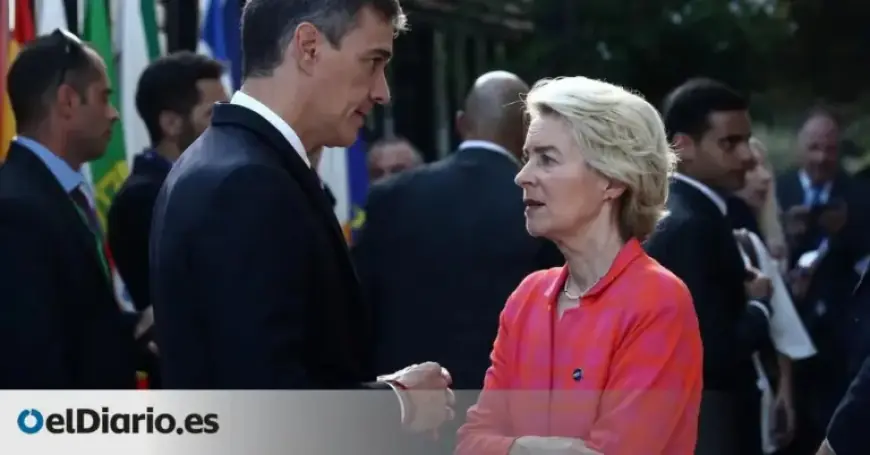
Spain has taken a firm stance in defense of international law amid rising tensions in the Middle East. Unlike other European Union (EU) members, Spain openly criticizes the silence regarding U.S. and Israeli bombings. Prime Minister Pedro Sánchez described these actions as violations of international law and has publicly condemned the Iranian regime’s brutality towards its citizens.
Spain’s Unique Position in the EU
As the only EU country to voice such clear criticism, Sánchez distances Spain from the majority of its European allies. This divergence is particularly notable with nations like Germany and France, which have shown support for the escalating military actions.
Sánchez emphasized that the bombings conducted by the U.S. and Israel lack any basis in the United Nations charter. This viewpoint has shaped Spain’s international policy and has resonated with the Spanish electorate, particularly on the left.
Condemnation of U.S. Actions
Foreign Minister José Manuel Albares echoed Sánchez’s condemnation, stating that the unilateral actions of the U.S. and Israel are outside the scope of collective international action. Despite differing views within the EU, Spain has urged for a stronger, more unified response against these bombings.
Rejection of U.S. Military Operations
- Spain refused to grant the U.S. access to its military bases in Morón de la Frontera and Rota for operations against Iran.
- The Spanish government asserted that no support would be provided for actions that do not comply with international law.
The EU’s Inconsistent Response
The European Union has struggled to maintain a coherent stance throughout this crisis. Although leaders like Ursula von der Leyen have called for adherence to international law, criticism of U.S. and Israeli actions has been noticeably absent. The EU has primarily condemned Iranian activities while ignoring the bombings that result in civilian casualties.
Impact on International Relations
Spain’s position has garnered respect from Iran, acknowledging its alignment with international law. However, this has provoked backlash from right-wing politicians within Spain. Critics argue that Sánchez’s stance favors regimes like that of the Iranian leadership.
The ongoing debate emphasizes the complexity of European politics in relation to Middle Eastern conflicts. Many countries in the EU have opted to avoid clear disapproval of U.S. policies, reflecting a broader tension between supporting international governance and aligning with U.S. geopolitical interests.
Outlook on Future Engagements
As European leaders face pressure regarding their involvement, analysts emphasize the importance of a strategic approach to address the Iranian regime while prioritizing diplomatic solutions. The situation remains fluid, with Spain seeking to maintain its distinct voice in the EU concerning international law and human rights.