























Supreme Court Reviews Agency Authority in Violation Cases

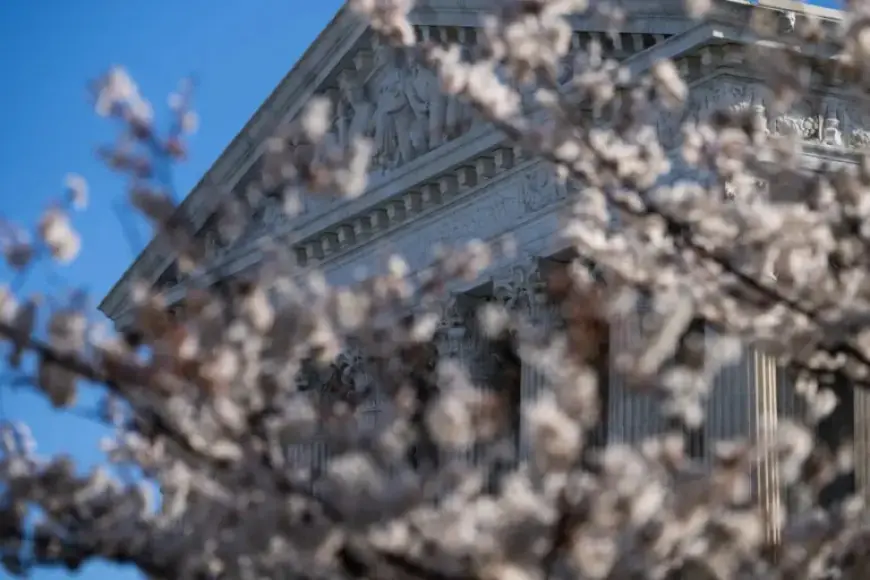
The Supreme Court will hear oral arguments Tuesday in challenges to the Federal Communications Commission’s forfeiture process. Telecom giants AT&T and Verizon are the petitioners. The outcome could narrow agency powers nationwide.
The dispute
The FCC determined the carriers violated consumer privacy rules. The agency said AT&T owed $57 million and Verizon owed $47 million. Both companies dispute those findings and the agency’s process.
The notices stem from alleged 2024 incidents. Third parties could gain access to users’ location data from aggregator firms. The carriers argue the process denied them a Seventh Amendment jury trial.
Lower court split
The U.S. Court of Appeals for the 5th Circuit tossed the FCC forfeiture against AT&T. That court found a jury-trial right violation. The 2nd Circuit reached a contrary result for Verizon and upheld the FCC process.
The companies chose to challenge the notices in appeals courts. They declined to wait for a Justice Department enforcement suit. That choice placed the constitutional issue before the Supreme Court.
Arguments for and against the agency approach
The companies argue Congress and agencies cannot create processes that impose liability without a jury trial. They warned that agency findings damage reputations and can influence later proceedings. Their combined brief emphasized limits on agencies’ authoritative power.
The Trump administration defended the FCC’s procedures at the court. It said the notices are not immediate demands for payment. The government characterized them as advance notices of possible future liability with a chance to respond.
Supporters and critics
Several former FCC commissioners and outside groups filed briefs backing the agency. They argued Congress gave the FCC room to design enforcement procedures. They said the process allows agencies to build a record before district court litigation.
Legal scholars filed on both sides. Thomas Berry of the Cato Institute indicated skepticism about avoiding the Seventh Amendment. Daniel Lyons of the American Enterprise Institute warned the case could greatly reduce agency enforcement.
Broader implications
The case raises questions about many administrative systems. Dozens of federal agencies use in-house adjudication, including the IRS and FCC. A ruling for the companies could force more federal-court litigation instead of internal proceedings.
Legal experts link the dispute to SEC v. Jarkesy, a recent Supreme Court decision. That ruling curtailed an agency’s use of internal judges to seek civil penalties. Observers say this case could expand Jarkesy’s reach.
What’s next
The justices will weigh constitutional protections against long-standing congressional design choices. The decisions could reshape enforcement across agencies. The cases are Verizon Communications Inc. v. Federal Communications Commission and Federal Communications Commission v. AT&T.
Filmogaz.com will monitor the proceedings as the Supreme Court reviews agency authority in violation cases. The court’s ruling is likely to have national regulatory consequences.