




















Key Insights on Fed Chair Nominee Kevin Warsh

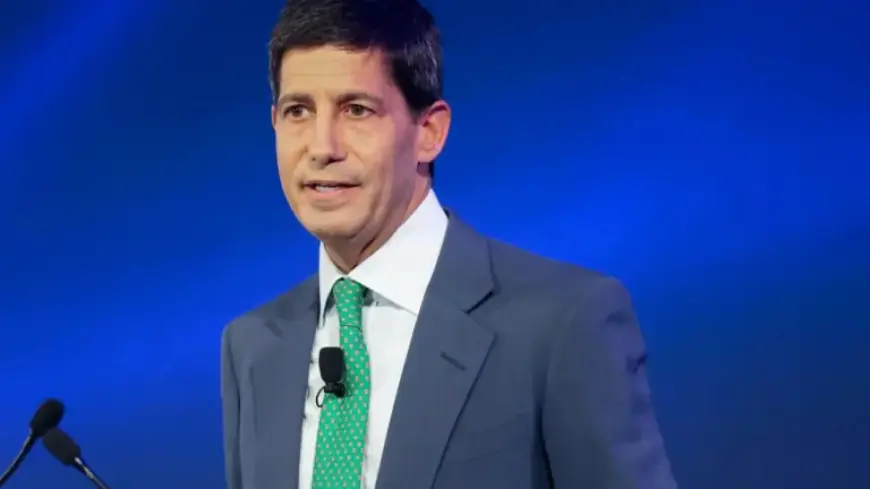
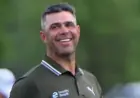
Kevin Warsh, President Trump’s pick to lead the Federal Reserve, began the confirmation process this week. He spoke at the International Monetary Fund spring meetings in Washington on April 25, 2025.
Political roadblocks and a high-profile probe
The Senate Banking Committee held a confirmation hearing for the Fed chair nominee on Tuesday. Senator Thom Tillis, R-N.C., has said he will block a committee vote until the Department of Justice ends its investigation into the Federal Reserve.
The DOJ inquiry targets cost overruns on the central bank’s headquarters renovation. The probe also involves current Fed Chair Jerome Powell. Powell has called the investigation an intimidation effort tied to pressure for lower interest rates. A federal judge criticized the inquiry as unjustified. The Justice Department has said it will appeal the judge’s ruling.
Implications for the nomination
Tillis’s demand links the investigation to the pace of Warsh’s confirmation. Dropping the probe could clear a path for the nominee. That outcome has not occurred.
Monetary policy stance and independence concerns
Warsh formerly served on the Fed’s board of governors and was known as a policy hawk. He has warned in the past about cutting rates for fear of higher inflation.
More recently, Warsh argued that productivity gains from artificial intelligence might let the Fed lower interest rates without stoking inflation. Critics, including Sen. Elizabeth Warren, argue this shift shows he may follow the president’s direction on rates. Warren told NPR that Warsh appears too deferential to the White House.
President Trump has publicly pushed for lower interest rates. That stance has raised questions about the Fed’s independence. Interest-rate decisions rest with a 12-member Federal Open Market Committee. Many FOMC members remain reluctant to cut rates until inflation is closer to the 2% target.
Heightened geopolitical tensions, including the war with Iran, have contributed to a recent spike in gasoline prices. Those developments complicate efforts to bring inflation down.
Possible changes to the Fed’s role
If confirmed, Warsh could push to reduce the Fed’s footprint in the economy. He has criticized the central bank for moving beyond its statutory role of promoting stable prices and maximum employment.
Warsh argues that Fed leaders should limit public commentary and avoid taking positions on politicized issues. He wants the institution to refrain from engaging heavily on topics like climate change or inclusion. At the same time, he says political leaders should not interfere with interest-rate setting.
Reporting and analysis for Filmogaz.com are based on the confirmation hearing and public statements surrounding the nomination.