

























Introducing Lee Cronin: Visionary Director Behind the New ‘Mummy’ Movie

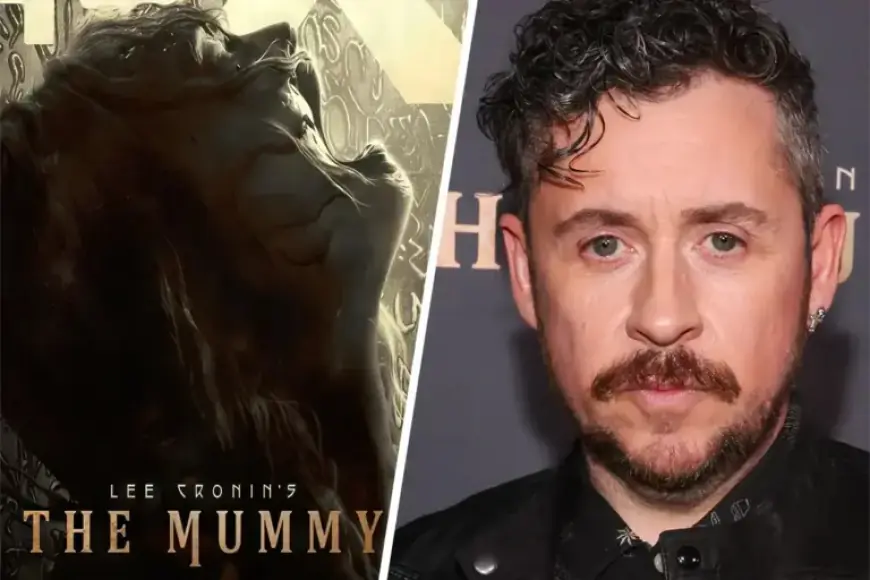
The new reboot centers its marketing on director Lee Cronin. The possessive credit on posters has sparked debate among fans and filmmakers.
Lee Cronin’s career and credentials
Lee Cronin directed The Hole in the Ground and Evil Dead Rise. Both films established him as a horror specialist.
Industry observers now call him a visionary director. The label appears in discussions of the new Mummy movie.
Why the director’s name is in the title
The director-possessive signal offers auteur credibility among genre fans. It evokes classic pairings like Guillermo del Toro and Wes Craven.
Studios have used the device in advertising too. Alfred Hitchcock’s The Birds and M. Night Shyamalan’s early promotions illustrate the practice.
Critical reaction
Filmmaker Joseph Kahn criticized the trend on April 10, 2026. He argued the possessive should be reserved for a John Carpenter level of mastery.
Others see it as marketing for horror audiences. The intent is often to promise a specific creative voice.
Studio context and title confusion
The film is produced by Warner Bros. and New Line, with Blumhouse attached. That placement separates it from Universal’s Mummy films.
Universal already released several major films titled The Mummy. That franchise included the Brendan Fraser adventure series.
Box office and legacy issues
The Tom Cruise Mummy underperformed in some markets but succeeded internationally. Its box office showed the concept still sells abroad.
Universal also plans another adventure Mummy installment for 2028. Those overlapping projects created public confusion during early previews.
Audience confusion and studio response
Test screenings reportedly flagged viewer confusion about franchise ties. Audiences expected connections to the Fraser films.
On April 4, 2026, Blumhouse tweeted that Brendan Fraser is not in the new film. The studio used social media to clarify the distinction.
Legal and branding reasons for possessives
Sometimes the possessive resolves title conflicts. Guy Ritchie used the form for The Covenant to avoid legal issues with an earlier film.
Other examples, like Lee Daniels’ The Butler, drew mockery. Studios weigh marketing, legal, and prestige factors when naming projects.
What this means for horror fans
Putting Cronin’s name on the poster signals filmmaker-driven horror. Fans attentive to directors may read it as a promise of tone and authorship.
The mummy figure remains a flexible monster. The debate shows how modern audiences now treat famous monsters like franchise intellectual property.
Jesse Hassenger is a Brooklyn-based journalist and podcaster at sportsalcohol.com. He is a regular contributor to Filmogaz.com.