
























Pacific Strikes on Suspected Drug Boats Kill Five, Reports NPR

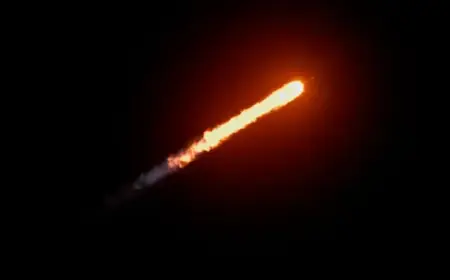
The U.S. military has engaged in operations targeting alleged drug traffickers in the eastern Pacific Ocean, resulting in significant fatalities. On April 7, 2026, two boats suspected of smuggling drugs were destroyed, leading to the deaths of five individuals and leaving one survivor.
Details of the Attack
The airstrikes took place on Saturday as part of the Trump administration’s intensified campaign against suspected drug trafficking. These strikes have reportedly claimed at least 168 lives since September, underlining the administration’s commitment to combating what it labels “narcoterrorists.”
Operational Context
According to U.S. Southern Command, the military operations are focused on established smuggling routes. However, the military did not provide concrete evidence confirming the boats were transporting illicit drugs. Videos circulating on social media show the boats engulfed in explosions.
Search and Rescue Efforts
- The U.S. Coast Guard was alerted to initiate a search-and-rescue operation for the survivor.
- Updates regarding the status of the survivor are pending, as the Coast Guard coordinates the ongoing effort.
Administration’s Justification and Criticism
President Donald Trump has characterized the ongoing operations as an “armed conflict” with Latin American drug cartels. He argues that these strikes are essential to mitigate the influx of drugs contributing to overdose deaths in the U.S. However, the administration has not substantiated claims of killing “narcoterrorists” with adequate evidence.
Legality and Effectiveness Concerns
Critics have raised concerns regarding the legality and practical outcomes of these boat strikes. Notably, the primary method of fentanyl trafficking into the U.S. often relies on overland routes from Mexico, which contrasts with the focus on maritime operations.
Future Military Operations
Simultaneously, as the U.S. conducts these operations in Latin America, it remains active in the Middle East. On Sunday, Trump announced plans for a naval blockade of Iranian ports. This move follows unsuccessful ceasefire discussions between the U.S. and Iran in Pakistan.
This blockade aims to disrupt Iranian shipping, particularly given that the Strait of Hormuz is a vital channel for global oil transport, handling 20% of the world’s oil supply.
As these operations unfold, the ramifications for both U.S. domestic policy and international relations continue to evolve, raising critical questions about strategy and effectiveness.