
























US-Iran Dialogue Possible After Tense Islamabad Talks

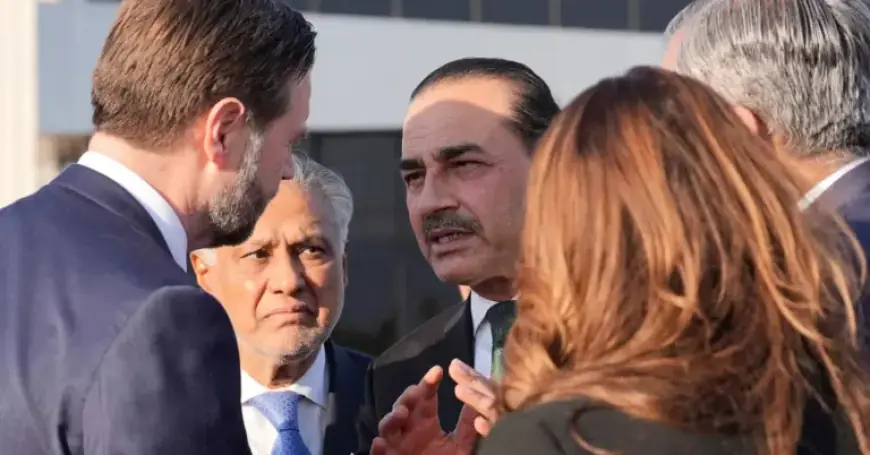
The recent high-stakes dialogue between U.S. and Iranian officials, held in Islamabad, concluded without an agreement, though sources suggest discussions are far from over. This significant meeting took place after a ceasefire was announced, marking the first direct engagement between both nations in over a decade.
Overview of U.S.-Iran Talks
On April 13, 2023, U.S. Vice President JD Vance and Iranian Parliamentary Speaker Mohammad Baqer Qalibaf led their respective delegations in a series of intense discussions within the luxurious Serena Hotel in Islamabad. These talks, mediated by Pakistan, were separated into distinct areas for each party and a common meeting space for trilateral negotiations.
Key Issues Addressed
The dialogue revolved around several critical topics:
- The Strait of Hormuz, a vital energy corridor.
- Iran’s nuclear program and international sanctions.
- Trust and mutual non-aggression assurances.
Despite hopeful moments, the talks revealed deep-seated divisions. At times, participants felt closer to a resolution, with one source claiming they were “80% there” at one point. However, discussions ultimately faltered over the scope of a potential agreement.
Atmosphere of Tension
Sources indicated that the atmosphere shifted between moments of hope and tension. Early Sunday morning brought a slight improvement, raising the possibility of extending the discussions. However, fundamental mismatches in understanding and commitment persisted.
While the U.S. aimed for a deal to prevent Iran from acquiring nuclear weapons, Iranian negotiators expressed distrust regarding American intentions. One delegate reportedly questioned the ability to trust U.S. commitments due to previous diplomatic failures.
Future Prospects
President Donald Trump stated that Iran expressed a desire to negotiate further after the talks. Following the discussions, both nations exhibit compelling reasons for de-escalation, given political and economic pressures at home. The ongoing exchanges indicate that communication remains active as both sides evaluate their positions.
Conclusion
The Islamabad talks represent an essential step in U.S.-Iran relations, despite the absence of an agreement. The dialogue continues, fueled by mutual interests in resolving long-standing tensions. As both nations navigate these waters, the hope remains that further discussions may yield a long-term resolution.