





















Concerns Grow Over San Diego Warships’ Mine-Clearing Capability in Strait of Hormuz

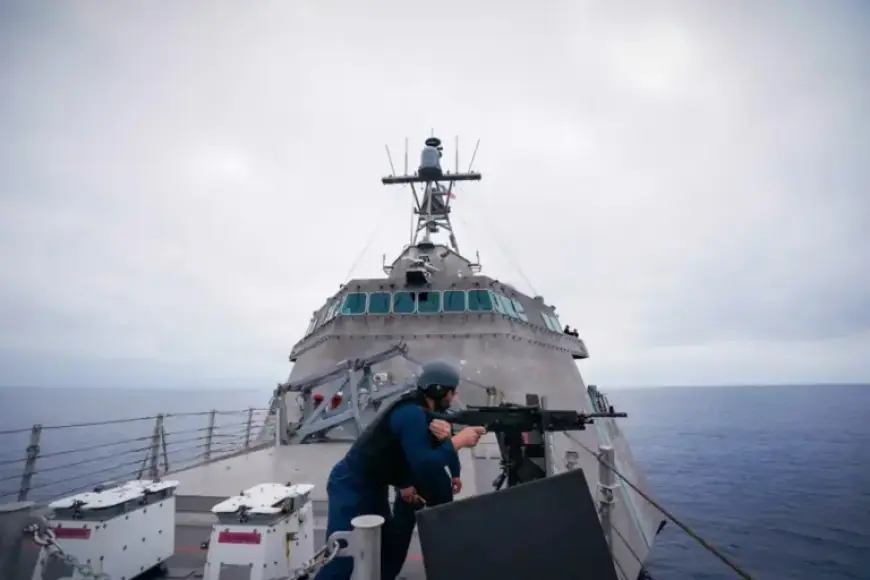
Concerns are escalating over the ability of San Diego-based warships to effectively clear mines in the Strait of Hormuz, particularly if tensions with Iran escalate. Experts from military, governmental, and industrial backgrounds highlight urgent challenges facing these vessels.
Strategic Importance of the Strait of Hormuz
The Strait of Hormuz is a vital maritime passage, facilitating the transit of nearly 25% of the world’s petroleum and crude oils. The U.S. military recognizes that clearing mines is crucial for maintaining access to this strategic waterway.
Issues Facing Littoral Combat Ships
The U.S. Navy is encountering significant difficulties with its Littoral Combat Ships (LCS). These vessels are designed for operations in shallow waters and to conduct mine countermeasures. However, both classes of LCS, Freedom and Independence, have experienced severe mechanical issues and design flaws.
- Major cost overruns documented
- Early decommissioning of some ships
- Sailor sentiment refers to the ships as “little crappy ship”
Currently, about 16 Independence-class LCS are based out of San Diego, including three vessels equipped with specialized mine countermeasure (MCM) systems: USS Canberra, USS Santa Barbara, and USS Tulsa. These ships were expected to enhance naval operations in the Persian Gulf but have yet to prove their effectiveness.
Operational Readiness Concerns
Last year, the Defense Department expressed uncertainty regarding the full operational capability of these LCS, particularly in mine warfare. The General Accountability Office indicated that the aluminum-hull design lacks adequate defensive measures against heavy attacks.
Moreover, military analysts, including those from Defense and Security Monitor, reported that key MCM capabilities faced challenges, specifically in visually identifying mines in tests conducted in California’s waters.
Senior Navy Leadership’s Defense of LCS
Chief of Naval Operations Admiral Daryl Caudle downplayed these concerns in a public address, asserting that the LCS can perform effectively when operational. However, discussions about these problems have been limited since the onset of recent conflicts.
The San Diego-based LCS were initially stationed in Bahrain as tensions increased. The Navy has since repositioned these vessels, sparking questions regarding their future role.
Replacement of Traditional MCM Vessels
This situation follows the Navy’s decommissioning of four older Avenger-class mine countermeasure ships. These were replaced by LCS, which were marketed as safer and more effective platforms capable of utilizing MH-60S Seahawk helicopters and underwater robots for mine detection and elimination.
Qualifications of the New Technology
However, the upgrade has not impressed many defense analysts. The new MCM package has faced reliability issues and significant delays, failing to meet operational demands in dynamic environments such as the Persian Gulf.
- Unmanned vessels part of the package have encountered testing failures
- Sensors ineffective in murky waters typical of the Gulf
Potential Mine Threats in the Strait of Hormuz
The exact number of mines Iran may have placed in the Strait of Hormuz remains uncertain. Estimates suggest Iran could possess between 2,000 and 6,000 mines. Recent reports indicate approximately a dozen new mines have been identified, but this figure could potentially be much higher.
As military tensions rise, the effectiveness of San Diego warships in mine-clearing operations becomes increasingly vital, underscoring an urgent need for solutions. For further updates on military readiness and naval operations, visit Filmogaz.com.