























Snapdragon X2 Elite Strengthens Windows on ARM, OEM Strategies Threaten Future

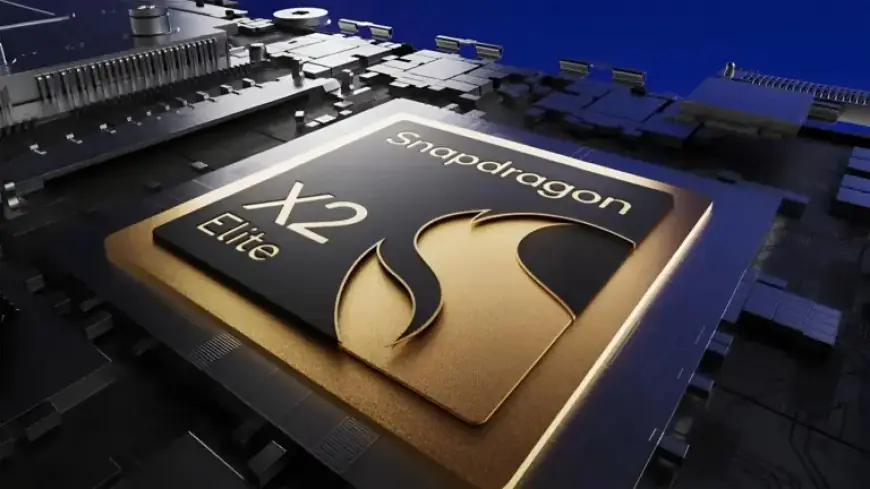
The Snapdragon X2 Elite is a powerful chipset that aims to compete with Apple’s M5 series and traditional x86 CPUs. Its release coincided with significant improvements in the Windows on ARM platform, which now offers a broader array of native applications.
Challenges Facing Snapdragon X2 Elite Adoption
Despite these advancements, the adoption of Snapdragon X2 Elite laptops faces hurdles. OEMs are prioritizing short-term profits over ecosystem expansion. This focus jeopardizes the long-term viability of the Windows on ARM platform.
OEM Pricing Strategies
- OEMs are pricing laptops equipped with Snapdragon X2 Elite as premium offerings.
- High prices deter potential users, limiting adoption rates.
- ASUS recently faced backlash for raising the Zenbook A16 price to $1,599.99.
These pricing decisions create barriers that can inhibit developer investment in ARM architecture. If user adoption remains low, developers may direct their resources toward more established platforms.
Qualcomm’s Role
Qualcomm’s approach also plays a critical role. The company is criticized for its high chipset prices, as it remains the sole supplier for Windows notebook manufacturers. This exclusivity allows Qualcomm to maintain substantial margins.
Additionally, Qualcomm’s lack of urgency in facilitating timely software updates has contributed to user dissatisfaction. Bugs and other issues impede the overall user experience, further complicating the Snapdragon X2 Elite’s market presence.
The Road Ahead for Windows on ARM
To elevate the Windows on ARM platform’s appeal, a collaborative effort is essential. Qualcomm and OEMs need to reevaluate their strategies to attract a broader user base. As it stands, existing Snapdragon X2 Elite notebooks are often priced similarly to Apple’s M5 models, which already benefit from a vibrant software ecosystem.
Without significant changes, the potential of the Snapdragon X2 Elite may be overshadowed by competitors. The future success of Windows on ARM depends on a united effort to enhance usability and accessibility for consumers.