





















Tensions Rise Ahead of US-Iran Ceasefire Talks in Pakistan

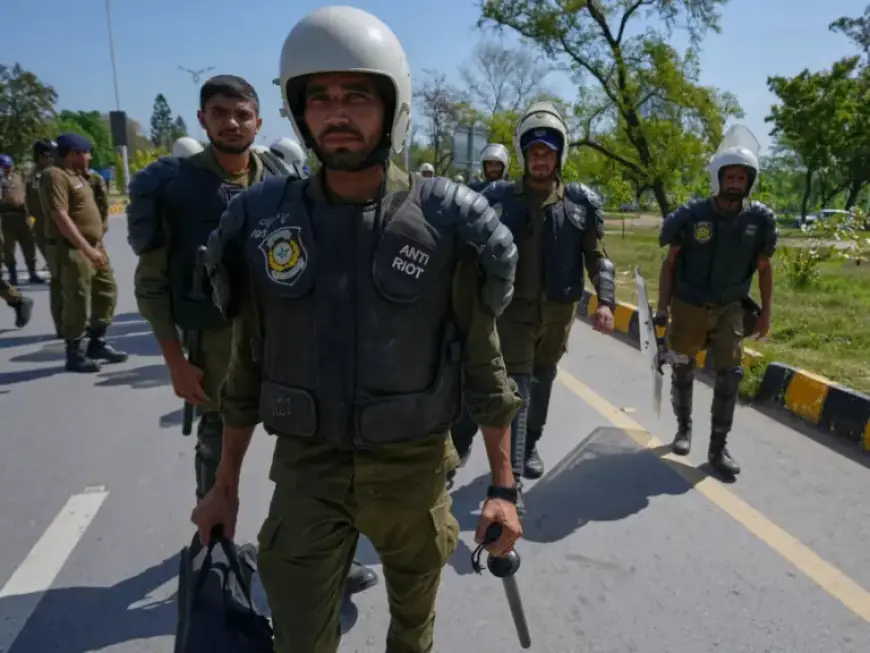
The United States delegation departed for planned ceasefire negotiations in Islamabad on Saturday. Tensions rose on Friday between top US and Iranian officials.
Dispute over the 10-point proposal
The talks stem from a 10-point Iranian proposal that underpinned Tuesday’s agreement to pause fighting. Both sides now offer different accounts of that framework.
A key disagreement concerns whether the ceasefire covers Israel’s invasion and offensive in Lebanon. Iranian Parliament Speaker Mohammad Bagher Ghalibaf said unresolved measures could derail the talks.
Iranian demands and delegation movements
Ghalibaf posted on X that two measures remain unmet: a Lebanon ceasefire and the release of Iran’s blocked assets. He said both must be fulfilled before negotiations begin.
Ghalibaf is expected to attend the Islamabad talks with Foreign Minister Abbas Araghchi. Iranian state media reported the delegation had arrived in Pakistan, but said talks would start only if Washington accepted Tehran’s preconditions.
Military warnings and political rhetoric
The Iranian military’s joint command warned it kept its “fingers on the trigger,” citing repeated breaches of trust. The message underscored Tehran’s impatience with unresolved issues.
Former President Donald Trump intensified public threats toward Iran in media interviews and social posts. He also urged Israeli Prime Minister Benjamin Netanyahu to keep operations against Hezbollah low-key before the talks.
Escalation on the ground
Violence in Lebanon continued despite diplomatic moves. Israeli attacks killed at least 300 people nationwide on Wednesday, one of the deadliest days of the offensive.
Al Jazeera correspondent Obaida Hitto reported from Tyre that there was no sign of any slowdown in southern Lebanon. Kuwait said it had dealt with seven drones fired from Iran into its airspace over 24 hours.
US delegation and negotiating posture
Vice President JD Vance led the US delegation and departed for Pakistan on Friday morning. He said he expected positive results if Iran negotiates in good faith.
Vance said he had received clear guidelines from Trump. He was chosen after Iran expressed distrust of US special envoy Steve Witkoff and Jared Kushner.
Background of stalled talks
Witkoff and Kushner had led two prior rounds of indirect talks on Iran’s nuclear programme. The first round collapsed when Israel initiated a 12-day war on Iran in June 2025.
That June conflict ended with US strikes on three of Iran’s key nuclear sites. A second negotiation round was scuttled when the US and Israel launched the latest war on February 28.
Outlook
The gap between Tehran and Washington remains wide on frozen assets, control of the Strait of Hormuz, and the status of Lebanon. These differences make the Pakistan meetings high-stakes.
Tensions rise ahead of US-Iran ceasefire talks in Pakistan as officials trade demands and warnings. The outcome will hinge on whether both sides accept mutual terms.
Reporting for Filmogaz.com.