





















AI Jesus Chatbot Ignites Debate on Faith’s Future

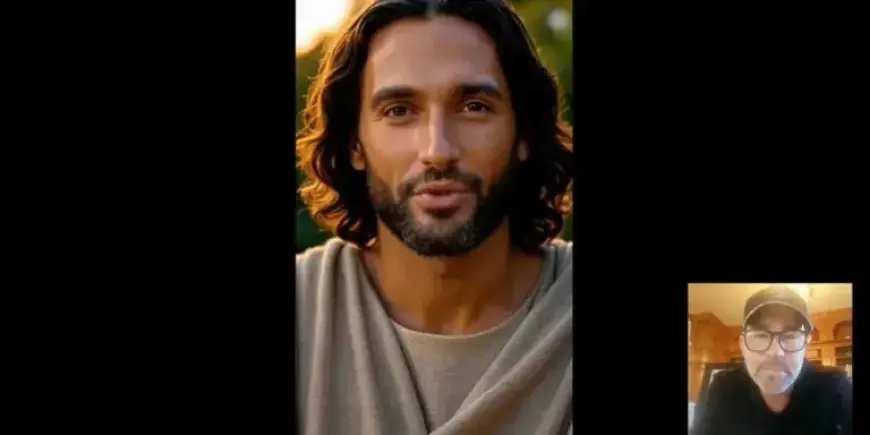
Technology firms are now creating faith-focused tools that mimic religious figures. One startup offers video calls with an AI-generated Jesus avatar for $1.99 per minute.
The avatar is billed as multilingual. It can offer prayers and encouragement. It also remembers past conversations and shows imperfect lip synchronisation.
Commercial AI Avatars and User Experience
Just Like Me, based in a Southern California mansion, developed the AI Jesus service. The company sells a 45-minute-per-month package for $49.99.
Chris Breed, CEO of Just Like Me, says users form emotional attachments. Co-founder and investor Jeff Tinsley also demos the avatar in media interviews.
The model was trained on the King James Bible and unnamed sermons. Its visual design drew inspiration from actor Jonathan Roumie of The Chosen.
Religious and Ethical Responses
Christian engineer Cameron Pak has proposed ethical rules for such tools. He insists AI must identify itself and must not fabricate Scripture.
Pak adds a strict limit: AI cannot truly pray, because it is not alive. He curates a list of Christian apps he deems ethical.
Matthew Sanders, founder of Rome-based Longbeard, warns about “AI wrappers.” He developed Magisterium AI, trained on two millennia of Catholic texts.
Buddhist Projects and Caution
Kyoto University professor Seiji Kumagai helped create BuddhaBot. The bot uses early Buddhist scriptures, with a later version called BuddhaBot Plus using OpenAI’s ChatGPT.
The university and partners Teraverse and XNOVA unveiled Buddharoid, a humanoid robot monk, in February. BuddhaBot is available by request, with a user group in Bhutan.
Jeanne Lim of beingAI trained Emi Jido, a non-human Buddhist priest. Emi Jido was ordained in 2024 by Roshi Jundo Cohen in Japan. Lim delays public release over ethical concerns.
Academics, Mental Health, and Legal Risks
Beth Singler, an anthropologist at the University of Zurich, flags misinformation and data-privacy problems. She says some models were withdrawn or rewritten over those issues.
Observers also warn about mental-health effects. Recent lawsuits have alleged suicides tied to chatbot interactions.
Peter Hershock of the Humane AI Initiative warns that AI can reduce the spiritual effort required by practice. He calls that trend risky for believers.
Commercial Pressure and Proselytisation Fears
Critics say monetisation can exploit attachment. Podcast host Graham Martin reported an app called Text With Jesus urged him to upgrade to a paid tier.
He compared the dynamic to old televangelism fundraisers. Others worry that emotional bonds could be manipulated for profit.
Interfaith and Cultural Concerns
Faith communities are split on representations of humanoids. Some Muslim scholars debate whether such AI could be forbidden under religious law.
Developers argue these systems can supplement outreach. Scholars and clergy demand safeguards and transparency.
Regulation and the Road Ahead
Companies and religious groups are racing to define acceptable uses. Some projects, like Magisterium AI, aim for deep doctrinal grounding.
The rise of generative religious chatbots ignites debate about faith’s future. Policymakers, technologists, and spiritual leaders are urging guardrails.
Filmogaz.com will continue covering developments as regulators and communities respond to these new digital ministries.