

























EPA Proposes Easing Toxic Coal Ash Rules, Threatening Groundwater Safety

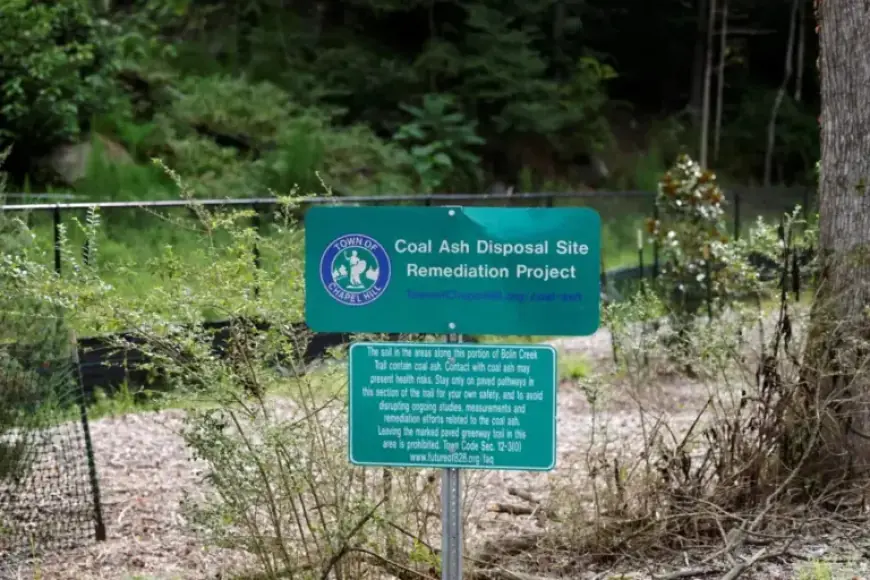
The Trump administration has proposed significant changes to coal ash disposal regulations, raising concerns over groundwater safety. These proposed adjustments threaten previous standards established under the Biden administration, which aimed to reduce pollution from coal-fired power plants.
Proposed Changes to EPA Coal Ash Rules
The new proposal seeks to roll back protections that monitor and safeguard groundwater around coal ash disposal sites. It also aims to modify requirements that mandate the cleanup of entire coal properties, limiting obligations only to locations where ash is physically dumped. These changes would facilitate the reuse of coal ash for various purposes.
Background and Implications
Coal combustion produces large quantities of ash, which often contains hazardous heavy metals like mercury and lead. If improperly stored, this ash poses serious risks to groundwater quality. Many coal power plants are located near rivers and other bodies of water, increasing the likelihood of contamination.
Lee Zeldin, the EPA Administrator, stated that these changes are designed to enhance American energy independence and allow for tailored regulatory approaches at specific coal facilities. However, critics warn that this flexibility could lead to companies leaving coal ash in contact with groundwater, undermining efforts to protect public health and the environment.
Concerns from Environmental Advocates
- Environmental groups argue that the proposal opens pathways for companies to sidestep critical environmental safeguards.
- Legal actions have already been taken against the EPA for perceived inadequacies in coal ash regulation.
- Concerns specifically center on historical coal ash disposal sites, like the Michigan City Generating Station in Indiana, where activists fear contaminated land could pose ongoing health threats.
Responses from Industry Leaders
Industry representatives argue that the current regulations place undue financial burdens on coal operators. John Mavretich, Executive Director of the Utility Solid Waste Activities Group, expressed support for a regulatory framework that provides greater site-specific flexibility.
Historical Context of Coal Ash Regulation
Initial coal ash regulations were instituted during the Obama administration, requiring companies to implement comprehensive monitoring and closure practices for storage sites. The Biden administration further reinforced these standards by eliminating some existing exemptions for older sites.
These regulatory measures were responses to significant environmental incidents, including a notable coal ash spill in Tennessee in 2008 that prompted widespread concerns about coal waste management.
Conclusion
The proposed easing of coal ash disposal rules by the Trump administration could significantly impact groundwater safety. Critics argue this represents a broader trend of dismantling environmental protections for the benefit of the coal industry. As the situation develops, it remains crucial to monitor how these changes may affect public health and environmental standards over time.