






















Can NATO Endure If Trump Withdraws US Support? | NATO News

Donald Trump’s past criticisms of NATO highlight ongoing tensions that have raised concerns about the alliance’s future. Analysts are questioning whether NATO can sustain its integrity should the U.S. reduce its support.
Historical Context of NATO Tensions
Trump’s disputes with NATO allies stretch back to his first presidential term. Issues ranged from dissatisfaction with military spending to controversial geopolitical statements, like threatening to take control of Greenland, a territory of Denmark. These disagreements have deepened recently, particularly following the U.S. decision to undertake military actions without broad NATO support.
NATO Allies’ Response
NATO allies’ reluctance to join Trump’s military initiatives in Iran has intensified the rift. German Chancellor Friedrich Merz described the current situation as a “trans-Atlantic stress test.” Trump criticized the lack of support from NATO members as a “stain” on the alliance that would “never disappear.”
Can NATO Survive Without U.S. Support?
The core question emerging from these tensions is whether NATO can endure if the U.S. retracts its support. Jim Townsend, a senior fellow and former Deputy Assistant Secretary of Defense, warned that NATO is closer to a breakdown than ever. However, a formal withdrawal from NATO by Trump would require a two-thirds majority in the U.S. Senate or an act of Congress—scenarios that seem improbable, as the alliance still enjoys wide backing among various U.S. lawmakers.
Potential U.S. Actions Impacting NATO
While Trump cannot withdraw the U.S. from NATO at will, he can substantially weaken it. The U.S. is not legally bound to assist NATO allies under attack, as outlined in Article 5 of the treaty. This ambiguity has prompted skepticism among allies about America’s reliability in crisis situations. Additionally, the relocation or closure of U.S. military bases in Europe could sever vital coordination.
The Consequences for Europe
Trump’s actions may erode NATO’s credibility even without a formal exit. Experts, including former Italian ambassador Stefano Stefanini, contend that merely suggesting withdrawal undermines the alliance’s perceived effectiveness.
European Defense Spending Increases
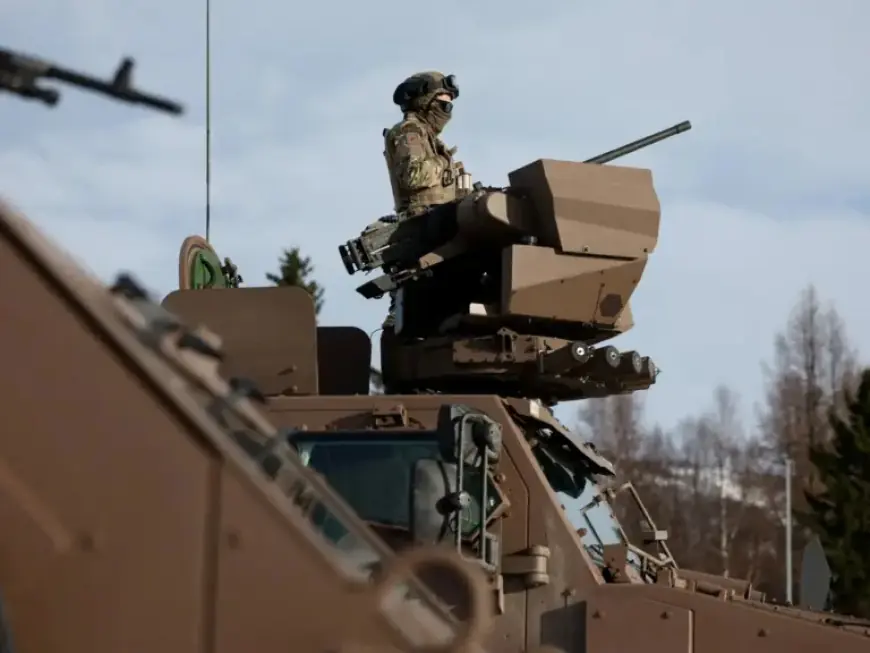
The ongoing conflict in Ukraine has emphasized Europe’s dependency on U.S. military support. In response, European NATO members are escalating defense investment, with expenditures projected to rise over 62% between 2020 and 2025. Despite this progress, significant deficiencies remain in areas such as operational capabilities and intelligence gathering.
Europe’s Defense Challenges
The International Institute for Security Studies (IISS) highlights critical gaps in European defense capabilities, including:
- Deep strike capabilities
- Intelligence, surveillance, and reconnaissance
- Logistical support and integrated air defenses
Bridging these gaps will require substantial financial investment and time, estimated at around $1 trillion to replace fundamental U.S. military functions.
Future of NATO
Minna Alander from the Stockholm Centre for Eastern European Studies suggests that a European-centric NATO is viable. The alliance may evolve into a framework for cooperation among European nations, even amidst a withdrawal of U.S. involvement.
Anticipated Challenges from Russia
Looking ahead, analysts predict heightened threats from Russia, potentially by 2027 or 2029. German military leaders are proactively preparing for these challenges, emphasizing the urgency of military readiness.
Rethinking NATO’s Purpose
The debate surrounding NATO often overlooks its historical context. Initially formed during the Cold War, NATO has served both European defense needs and U.S. strategic interests, especially post-9/11 when NATO allies supported U.S. military operations.
Trump’s focus on NATO as a European enterprise disregards this dual purpose. Addressing European defense investment is crucial, but the alliance’s significance extends beyond simply protecting Europe from Russia.
Ultimately, the effectiveness of NATO hinges on sustained cooperation and investment from all its members, particularly in a shifting global landscape.