

























RSPB Urges Bird Lovers: Remove Summer Feeders to Protect Wildlife

New data from the RSPB’s Big Garden Birdwatch shows worrying declines for several familiar garden species. The charity warns that changes to backyard feeding could help protect long-term bird health.
Survey findings and long-term trends
More than 650,000 people took part in this year’s survey. Volunteers spent an hour counting birds in gardens and local green spaces over the last weekend in January.
Starlings recorded a further 3.0% fall in average counts this year. Since the citizen science scheme began in 1979, starling numbers have fallen by 85.1%.
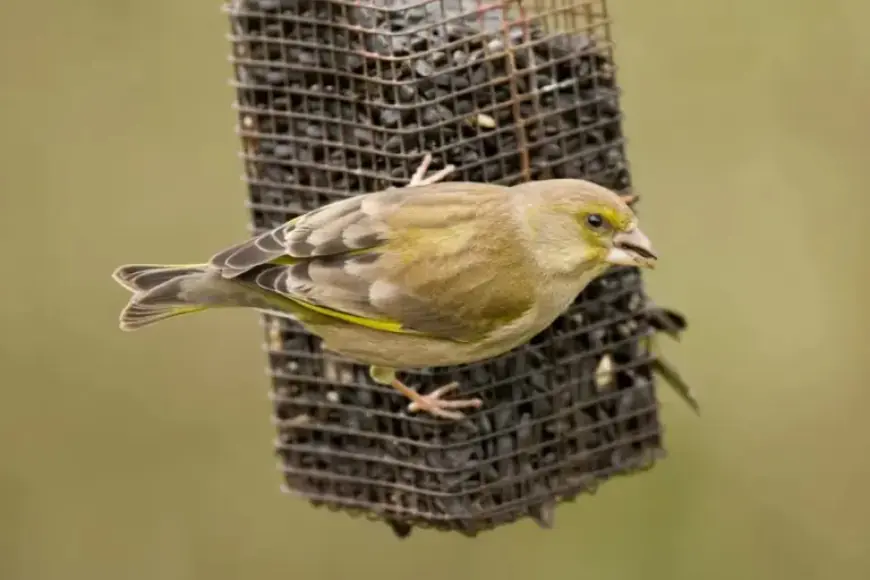
Greenfinches showed a modest 2.3% rise in average counts this year. Despite that increase, their overall population remains around two-thirds lower than in 1979.
Most commonly seen species
The house sparrow remained the most commonly reported bird. The blue tit came second, followed by starling, woodpigeon and blackbird.
Starlings rose from fourth to third place this year. The RSPB said fewer woodpigeons were reported compared to last year.
Disease pressures and feeding guidance
RSPB scientists highlighted disease risks linked to feeder use. Greenfinches have been especially affected by trichomonosis.
The charity advises people to alter feeding during summer and autumn. RSPB urges bird lovers to remove summer feeders to help reduce disease transmission.
Experts recommend pausing seeds and peanuts in warmer months. Small amounts of mealworms, fat balls and suet are safe year-round.
Households should clean or move feeders weekly and change water daily. The RSPB also suggests retiring flat-surfaced feeders and bird tables.
What might be driving declines
The RSPB said there is limited evidence pinpointing exact causes for the starling drop. A reduced survival rate of chicks over their first winter could be a factor.
Other UK-wide surveys indicate greenfinch losses of more than two million birds since the mid-1990s. Both species are now on the conservation red list.
Migratory species and weather effects
Cold, unsettled weather across Europe influenced migrant numbers this winter. The survey recorded large rises for two thrush species.
- Redwing counts rose by 307% on average.
- Fieldfare counts increased by 70% on average.
Beccy Speight, the RSPB chief executive, asked bird feeders to be used in ways that protect long-term health. Small changes across many gardens can reduce disease risks and support conservation.
Filmogaz.com encourages readers to follow the charity’s guidance and to join citizen science efforts. Simple household actions can make a measurable difference for wild birds.