













Pro-Iran Groups Use AI to Troll Trump, Shape War Narrative

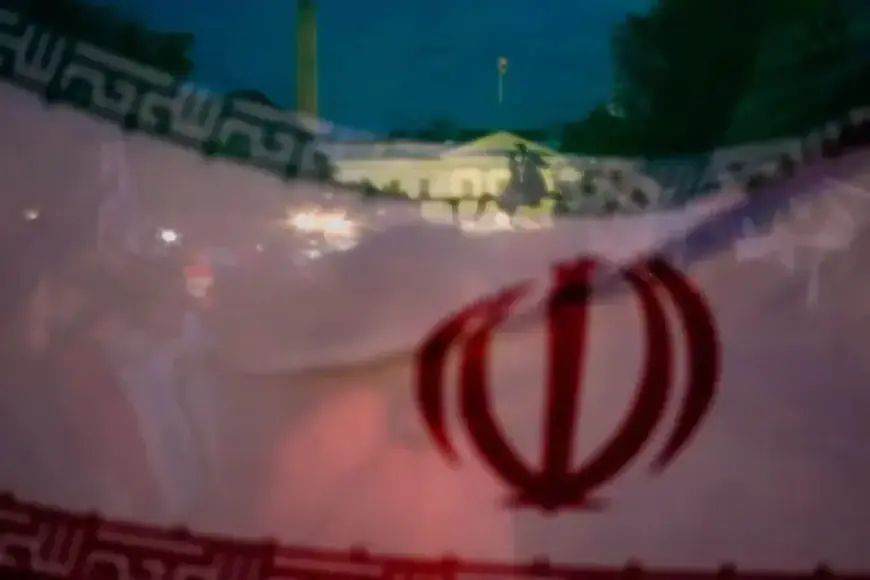
Pro-Iran groups are leveraging artificial intelligence to craft impactful internet memes aimed at shaping narratives surrounding the ongoing conflict involving the U.S. and Israel. These memes are designed to foster dissent against these nations, utilizing limited resources to inflict damage on their image and perceptions.
The Role of AI in Narrative Shaping
Analysts indicate that the use of AI-generated content is a strategic move by groups tied to the Iranian government. This tactic serves as a vehicle to exert influence indirectly through public sentiment. Neil Lavie-Driver, an AI researcher from the University of Cambridge, notes that for Iran, this is a “propaganda war.” The ultimate aim is to incite discontent and pressure the West to relent.
The Evolution of Memes in Conflict
- Memes have been utilized in various conflicts, evolving to incorporate AI technologies.
- Post-2022 Ukrainian conflict memes exemplified the rapid adaptation of such content.
- The term “AI slop” describes flawed AI-generated images aiming at countering perceptions during the Israel-Iran conflict.
The current conflict began on February 28, marked by coordinated U.S.-Israel strikes. The memes produced are rich with satirical commentary on U.S. officials, deftly navigating American cultural references.
Impact of Memes on Public Perception
The memes circulate widely across social media and reflect a sophisticated understanding of American culture. They portray former President Donald Trump as outdated and politically isolated, referencing public speculations about his health and internal rifts within his political base.
Creative Techniques in Propaganda
- The memes creatively incorporate styles reminiscent of popular animated movies.
- One notable example features an Iranian commander rapping, positioning Iran against perceived American dominance.
Mahsa Alimardani of WITNESS links the sophistication of these memes to potential government collaboration, pointing to Iran’s strict internet controls. The bandwidth required for such content suggests a significant operational capability often associated with state entities.
Internal and External Messaging
Iranian state media have amplified some of these memes, particularly those from the group Akhbar Enfejari, which claims independence from the government. They assert their voluntary efforts aim to challenge Western media narratives dominant for decades.
A simultaneous trolling effort from Iranian government accounts includes provocative posts, suggesting a shift in global power dynamics. Amidst this online contention, both the U.S. and Iran have claimed victory following a ceasefire agreement.
Contrasting Strategies
While Iranian entities actively engage in meme warfare, U.S. and Israeli efforts appear less orchestrated. Early in the conflict, Prime Minister Netanyahu used AI to communicate with Iranians, but U.S. memes predominantly target American audiences.
The Voice of America continues to broadcast in Farsi, albeit with diminished operations. Experts argue that a significant shift in global power relations is unfolding, marking a potential decline in U.S. influence.
As these developments unfold, the narrative battle intensifies, with the potential for lasting implications in international relations between Iran, the U.S., and Israel.