




















US-Iran Talks in Pakistan: Key Attendees and Agenda Unveiled

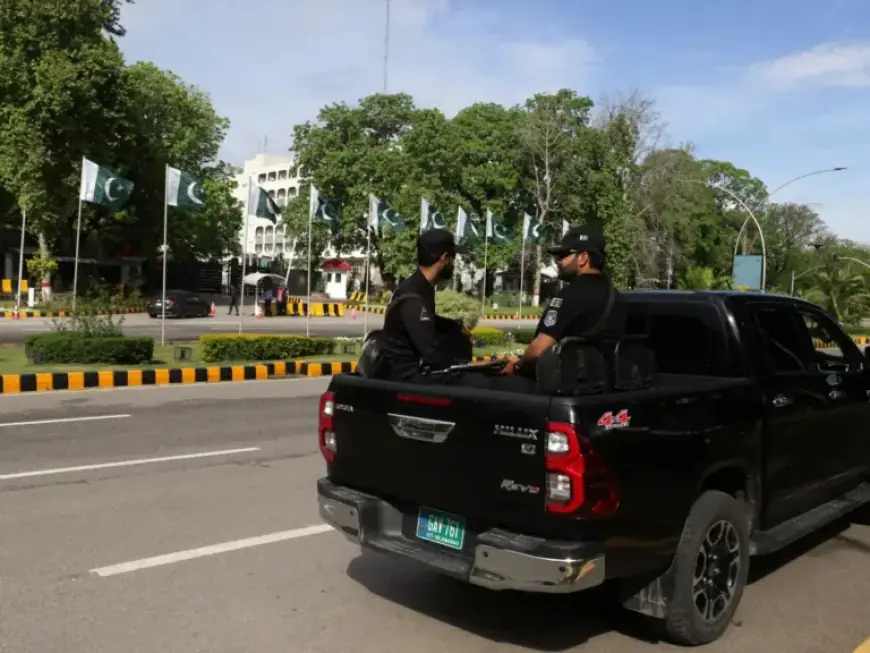
In Islamabad, preparations are underway for significant diplomatic talks involving the United States and Iran. Following a series of recent military actions that have substantially impacted the region, key representatives from both nations will meet this weekend. The talks come amid a fragile ceasefire agreement facilitated by Pakistan.
Details of the US-Iran Talks in Pakistan
Scheduled to begin on April 9, 2023, the discussions will unfold at the Serena Hotel in Islamabad’s Red Zone. This venue has been secured for the talks, coinciding with the declaration of public holidays in the capital to accommodate the event.
Background Context
The backdrop of this meeting includes heightened tensions following U.S. and Israeli strikes that targeted Iran’s leadership, igniting a war across several nations. The conflict has disrupted global oil supply routes and elevated energy costs worldwide. Amid ongoing hostilities, Iran’s military actions in the region have kept international stakeholders on alert.
Negotiation Agenda and Key Participants
Prime Minister Shehbaz Sharif will host the talks, with separate initial meetings planned with both delegations. US Vice President JD Vance will lead the American side, accompanied by Jared Kushner and Steve Witkoff. The Iranian delegation is expected to include Parliament Speaker Mohammad Bagher Ghalibaf and Foreign Minister Abbas Araghchi.
Security Measures and Logistics
- Heightened security measures have been implemented across Islamabad.
- The Red Zone is sealed off to ensure the safety of attendees.
- A team of about 30 U.S. security personnel has already arrived in the capital.
Potential Outcomes and Obstacles
Bilateral discussions will address major differences, including Iran’s insistence on understanding oversight of the Strait of Hormuz and a complete withdrawal of U.S. troops from the Middle East. The United States has yet to endorse these demands officially.
Analysts warn that deep mistrust poses a significant challenge to reaching a sustainable resolution. Disagreements over Israeli military actions in Lebanon could further complicate negotiations, with both sides holding firm positions that may impede progress.
Conclusion
The upcoming talks represent a crucial opportunity for both the U.S. and Iran to navigate toward potential peace. While complexities exist, the involvement of Pakistani leaders highlights their role as intermediaries in resolving longstanding conflicts. Analysts remain cautiously optimistic that these discussions could lead to a much-needed de-escalation in the region.