

























President’s House Site Unveils New Exhibit

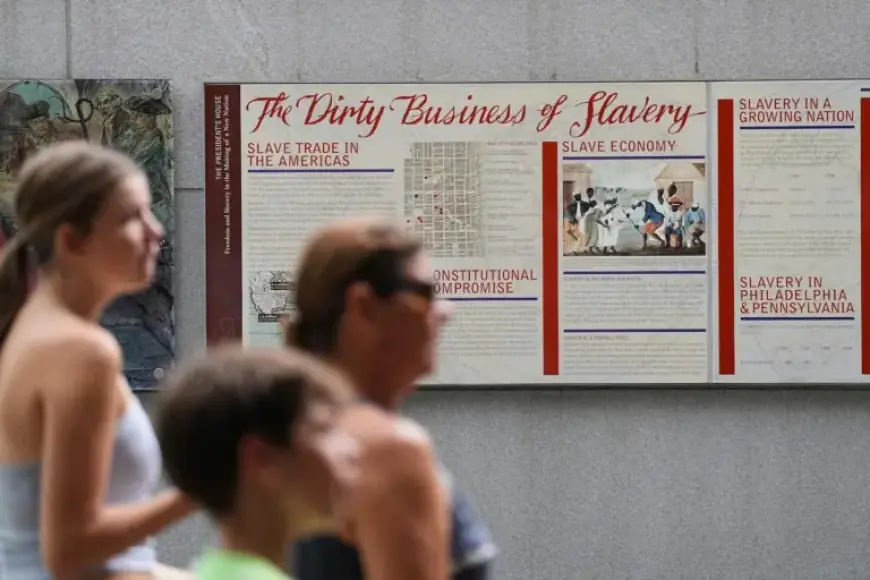
In a recent unveiling, the President’s House Site has introduced a controversial new exhibit that has sparked significant public debate. The exhibit delves into the history of George Washington, slavery, and the site itself, igniting strong reactions from civil rights advocates.
Controversial New Exhibit at President’s House Site
Michael Coard, a prominent civil rights lawyer, criticized the exhibit as “maliciously outrageous,” particularly focusing on how it presents George Washington’s discomfort with slavery. He raised pointed questions about the humanity of the 316 enslaved individuals at Washington’s Mount Vernon plantation and the nine who were illegally held in Philadelphia.
Debate Over Language Used in the Exhibit
Coard condemned the terminology used in the exhibit, such as describing the enslaved individuals as having “a modicum of autonomy.” He contended that any discussion of autonomy is fundamentally offensive when it applies to those who had no control over their bodies and lives. “Everything about that individual legally belongs to somebody else,” he stated, emphasizing the harsh realities faced by enslaved people.
Response from the Department of the Interior
A spokesperson from the Department of the Interior defended the exhibit, stating that the current administration is committed to acknowledging the complete history of the nation. The statement asserted that “the hard work and sacrifices of the men and women who built this nation deserve to be remembered and honored.”
Historical Context of the President’s House
The exhibit also includes an expanded historical context of the building itself. The site was constructed in 1767 by the widow of Philadelphia mayor William Masters and later housed Pennsylvania Lt. Gov. Richard Penn. It served as the executive mansion for the first two presidents of the United States.
- The site marked its place in history by hosting numerous dignitaries, federal officials, and foreign ambassadors.
- It also welcomed delegations from Native American nations, including leaders from the Iroquois and Chickasaw tribes.
Personal Accounts from the Past
The new exhibits highlight significant figures from the era, including Oney Judge, Martha Washington’s personal maidservant. Judge famously escaped to freedom in 1796. The revision of historical narratives—such as Washington rotating enslaved workers out of Philadelphia—has been rephrased, suggesting it was done in accordance with Pennsylvania laws regarding slavery.
Despite the changes, Coard remains skeptical concerning the integrity of the new displays. He asserted that none of the information presented is trustworthy, stating, “Let the historians tell history,” implying a need for more accurate portrayals of the past.