























Upcoming Inflation Shock: Key Impacts on Traders Explained

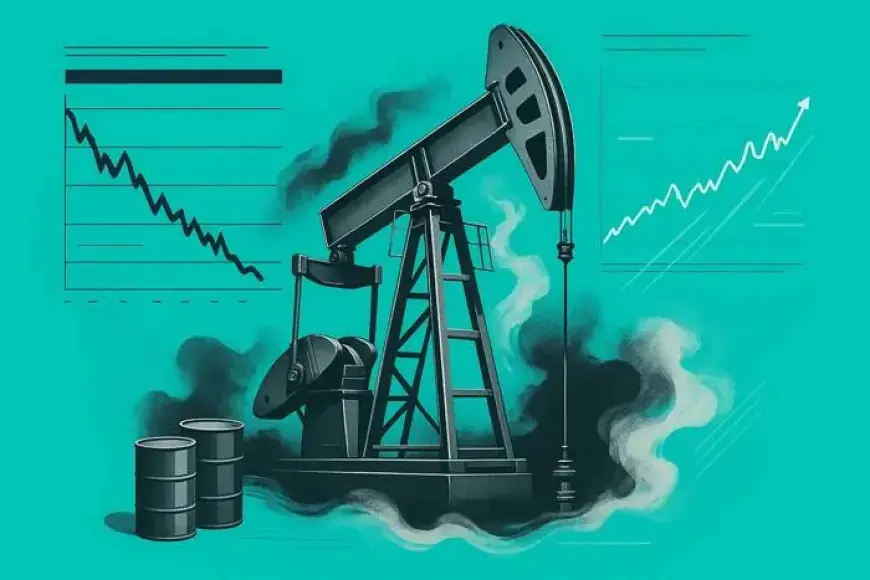
As inflation concerns mount, traders must navigate the potential impacts on various markets. Expected data indicating a 1.0% monthly increase could significantly alter interest rate swap pricing. Currently, the market anticipates less than a 10% chance of further rate hikes by the Federal Reserve.
Global Energy Vulnerabilities
The United States is already feeling the strain of rising fuel prices. However, Europe and Asia face more significant vulnerabilities due to their reliance on energy imports. Countries in Asia are bracing for potential physical shortages, compounding the impact of higher prices.
Europe, burdened with high levels of public debt from pandemic-related spending and previous energy crises, has limited fiscal capacity. If interest rates rise, these debt-heavy economies may struggle even more under increased borrowing costs.
Investment Strategies in a Volatile Market
In this turbulent landscape, investing in equities can be risky. Kar Yong Ang emphasizes the potential squeeze on corporate profit margins due to rising input costs. As central banks adopt a hawkish approach to combat inflation, traders should reconsider their strategies.
- Buying the dip in equities carries substantial risks.
- Higher input costs may negatively impact profit margins.
- Central banks are likely to continue tightening monetary policy.
Short-Term Opportunities and Cautions
The euro could gain temporary strength if the European Central Bank adopts a more hawkish stance than the Federal Reserve. Nonetheless, long-term structural challenges in the Eurozone remain a concern.
While trading in oil futures offers potential for high returns, it also comes with significant risks. Traders may consider mean-reversion strategies to capitalize on swift fluctuations in oil prices.
Historical trends indicate that during periods of geopolitical instability, gold and precious metals tend to serve as safe havens. Therefore, prioritizing long-term security over short-term gains is crucial for prudent traders.
Conclusion
With the inflation shock upon us, the market landscape is shifting. Traders must remain vigilant and adapt to changing conditions while focusing on secure investment choices. Remember, this content does not constitute investment advice and each trader must make decisions based on their unique situation.